Sheet Metal Flat Patterns: Cones, Bends and Transitions
52 part types, from the plain cylinder to the nozzle on a spherical head. Each page explains the part, the measurements the development needs, the layout formula and a worked example; the calculator returns the flat pattern on the neutral axis, the 3D view and the template as PDF or DXF.
Rolled shells
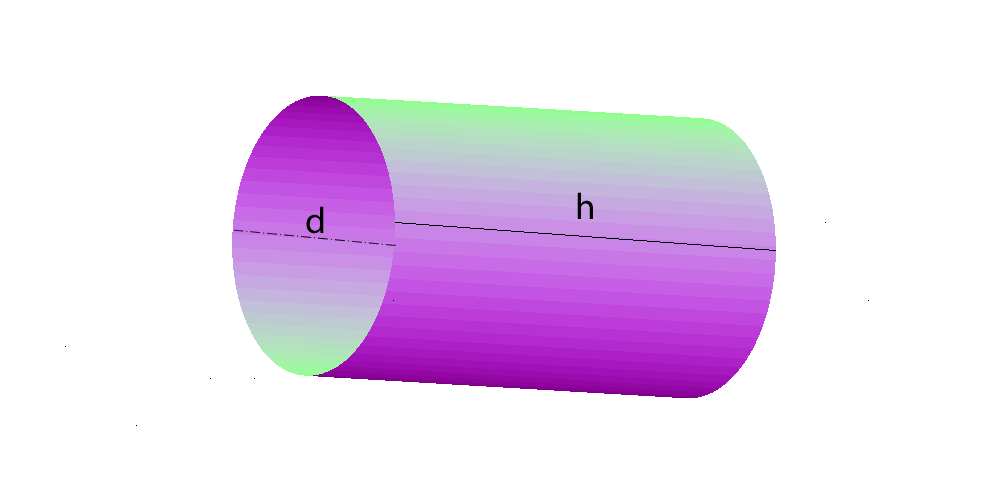
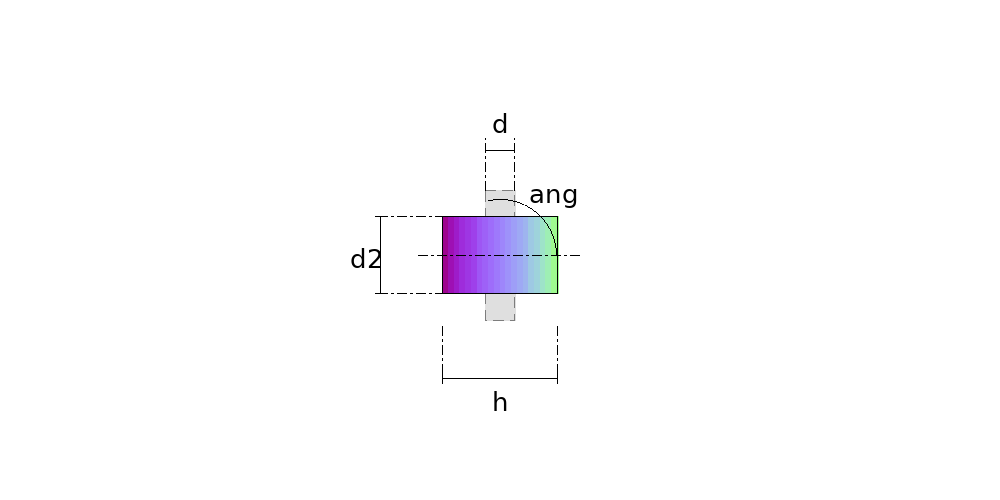
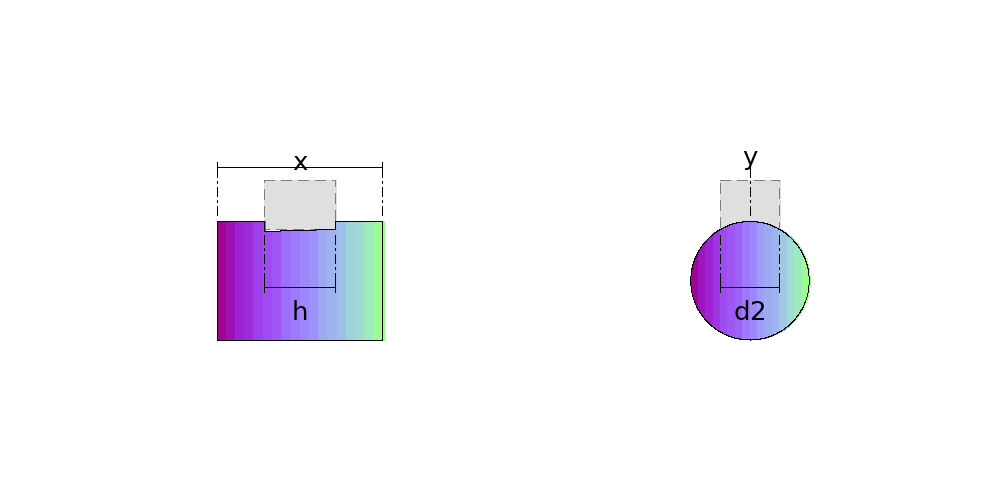
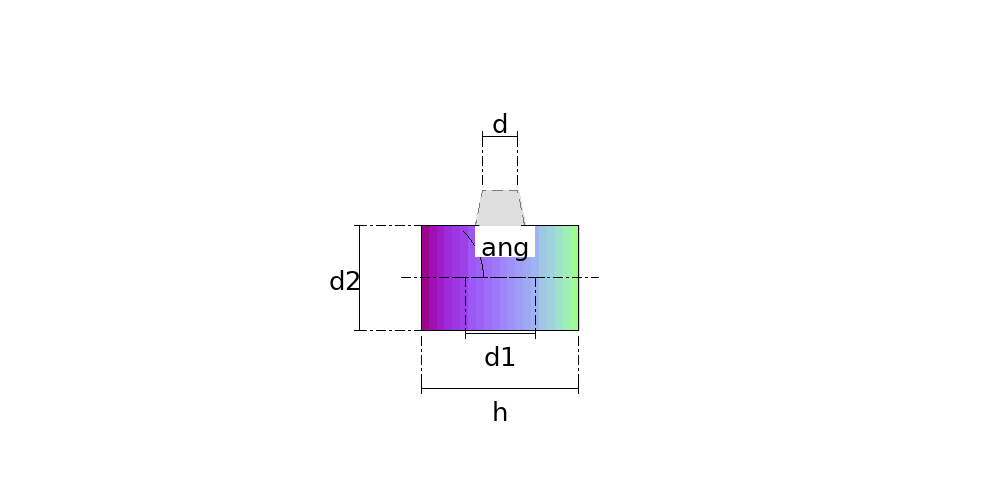
The rolled shell is the straight tube of plate, and the basis of nearly everything: stacks, ducts, silos and tank shells are stacked cylinders. Here are the plain shell, the mitre-cut and double-cut ones, and the shells with the nozzle or branch hole already marked on the plate.
Cones and reducers
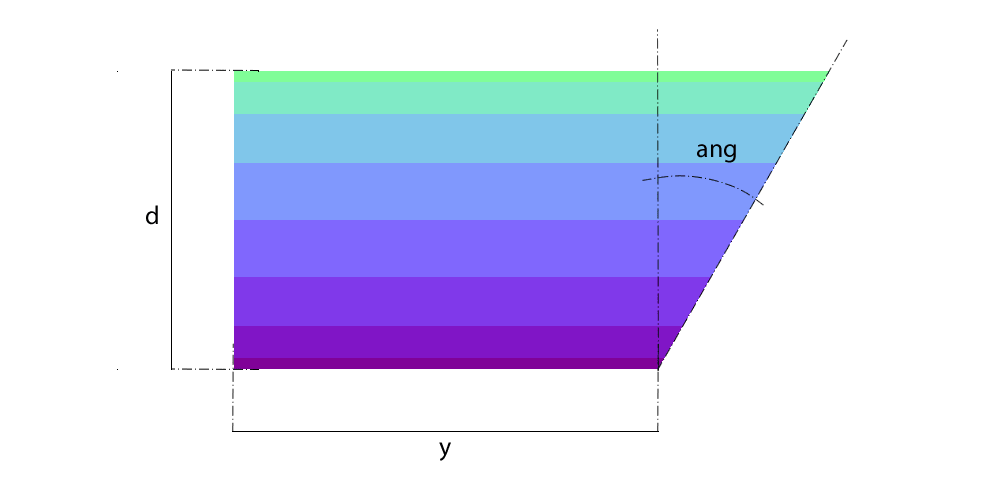
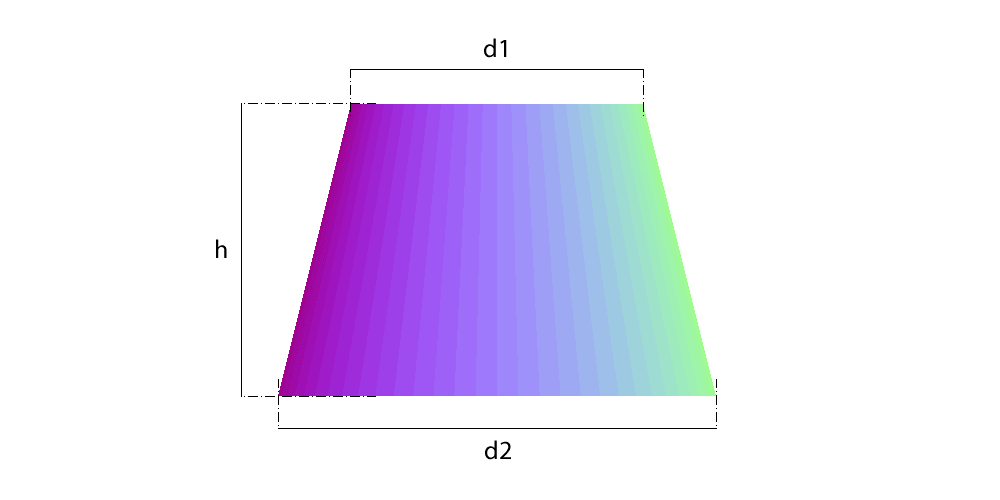
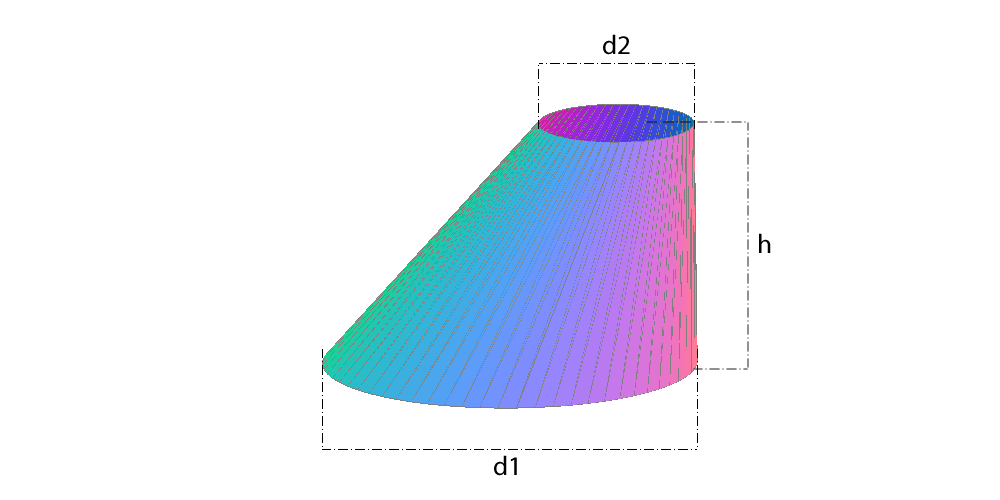
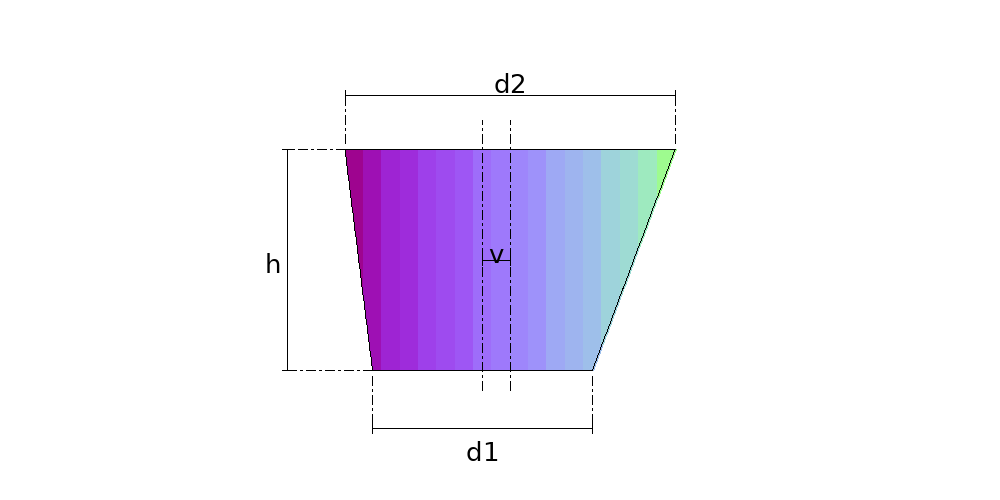
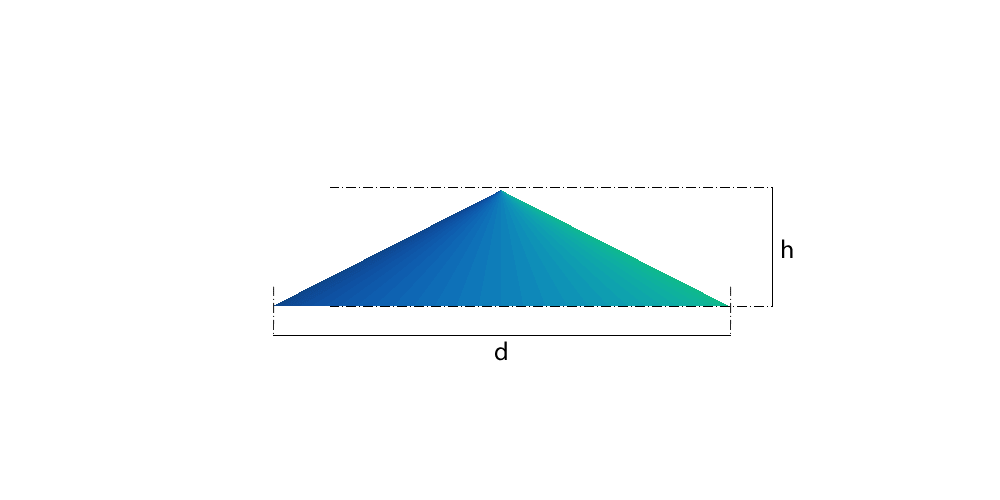
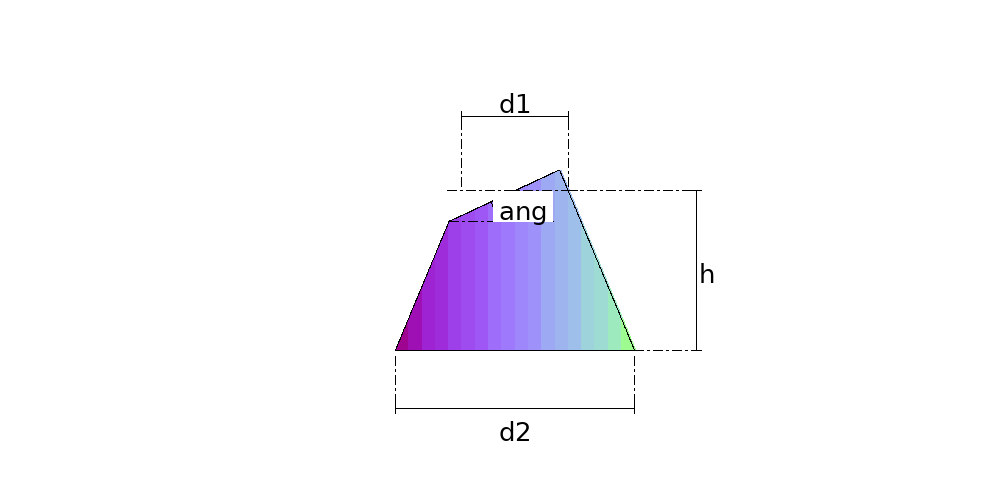
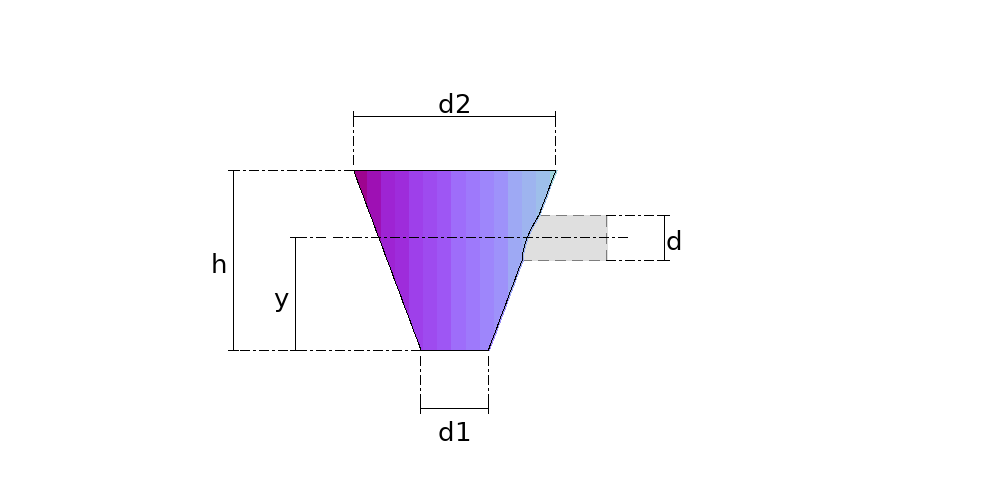
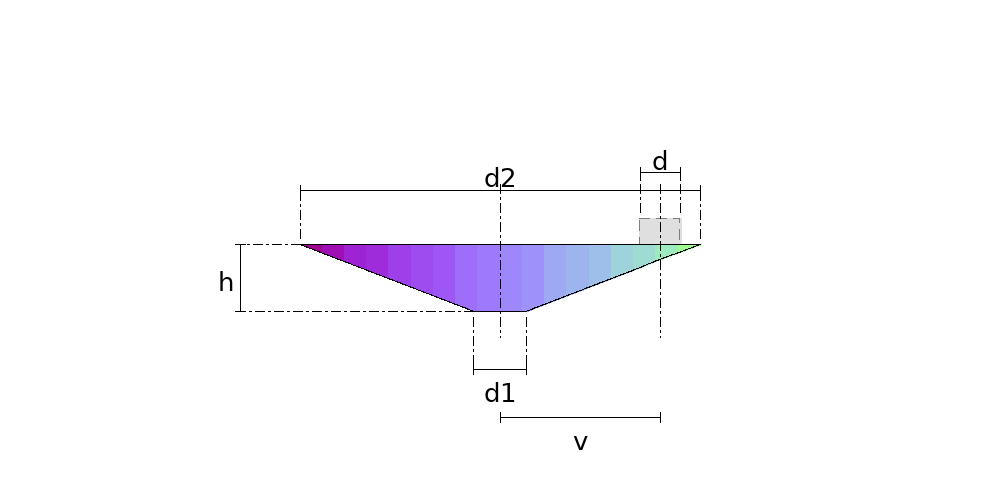
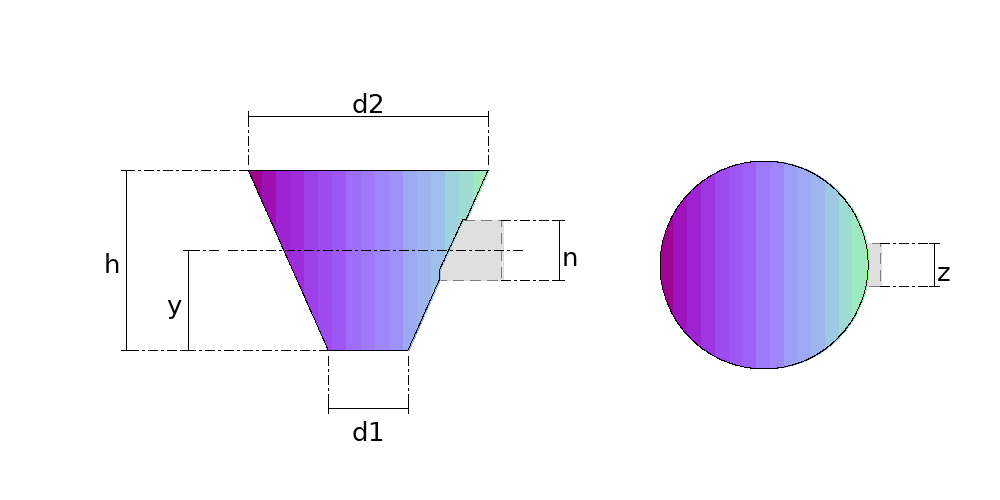
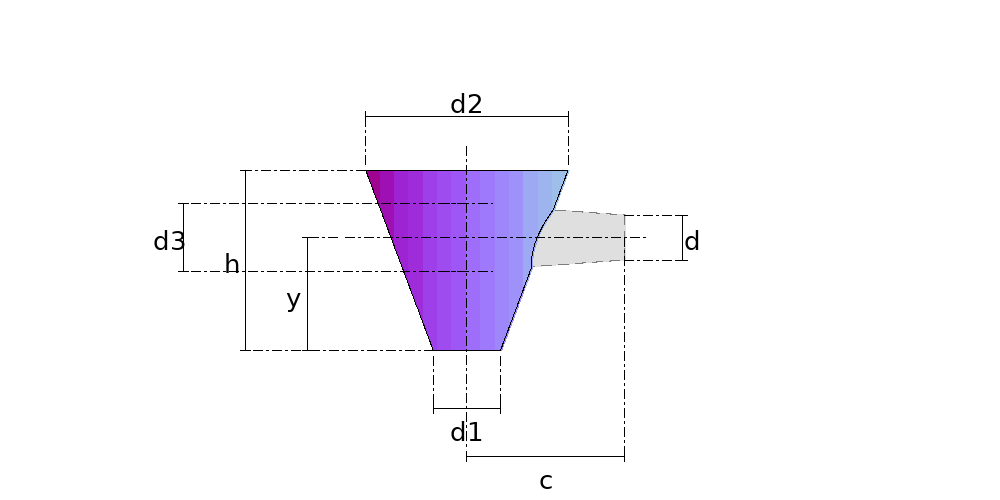
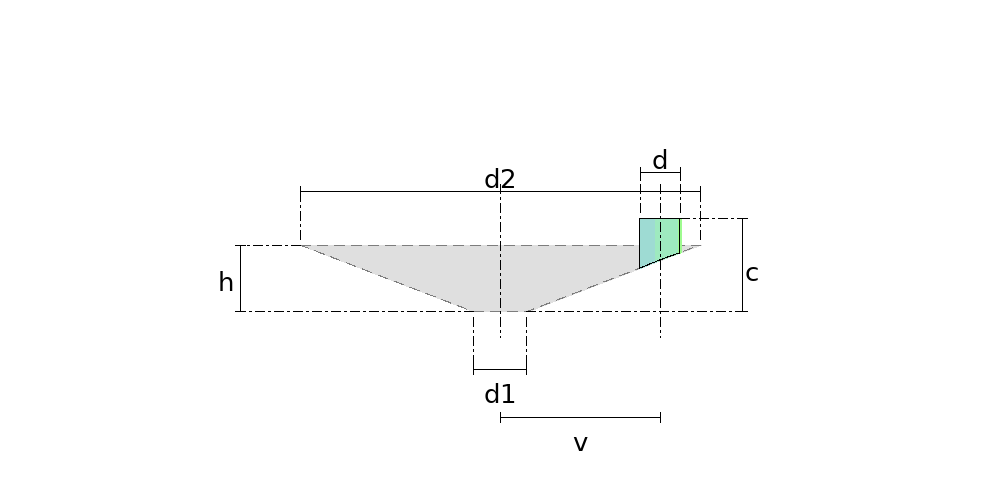
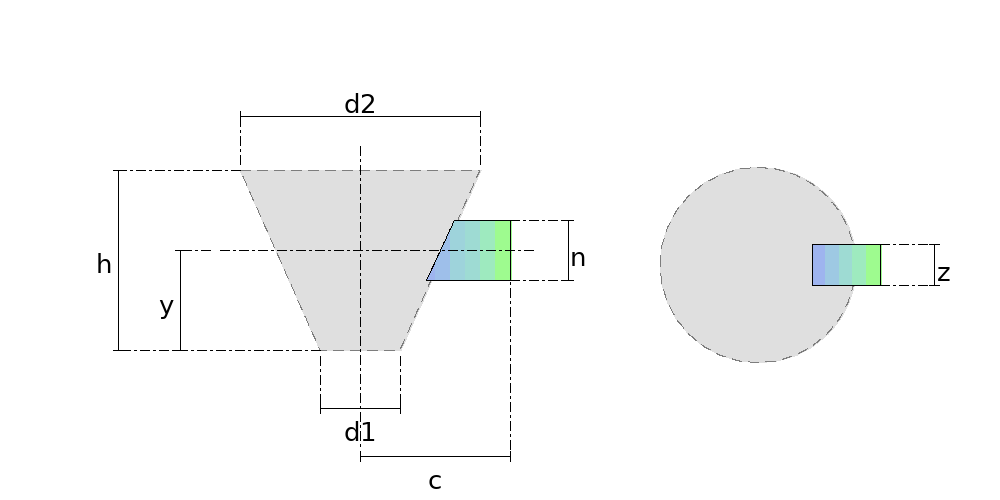
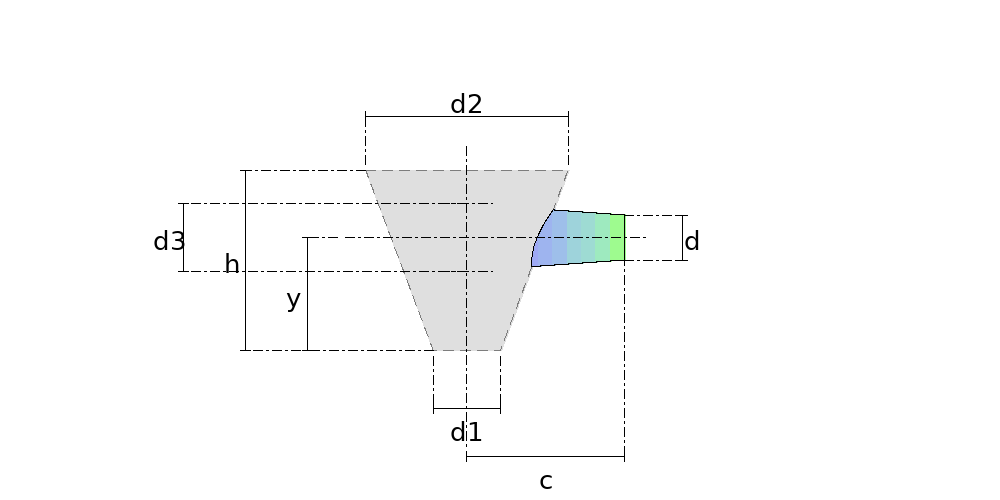
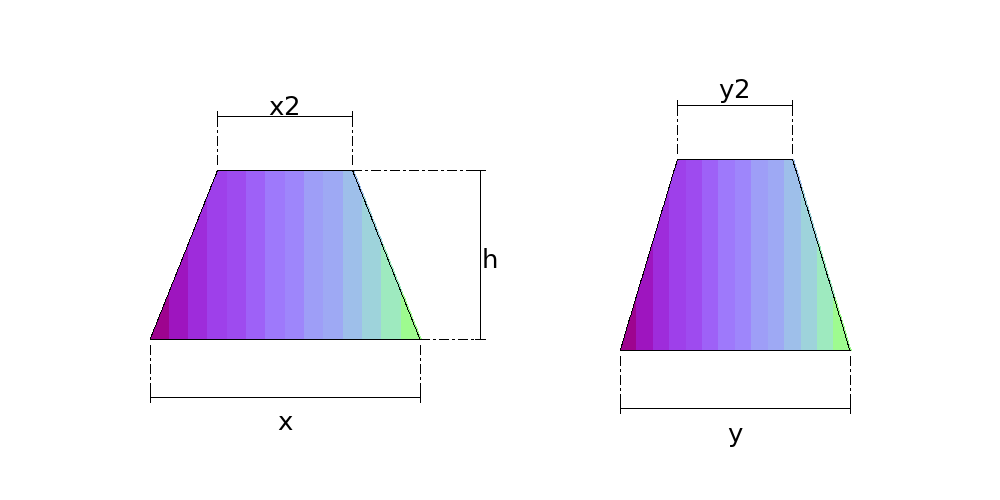
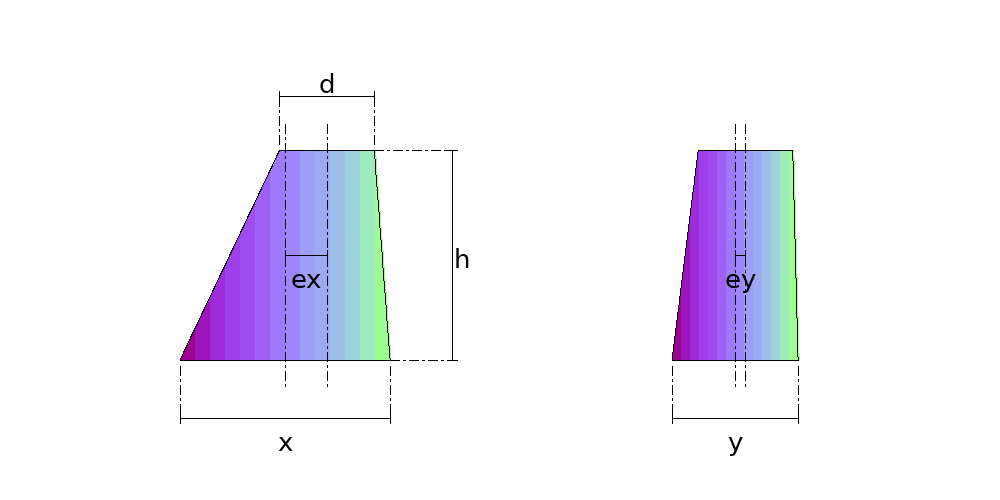
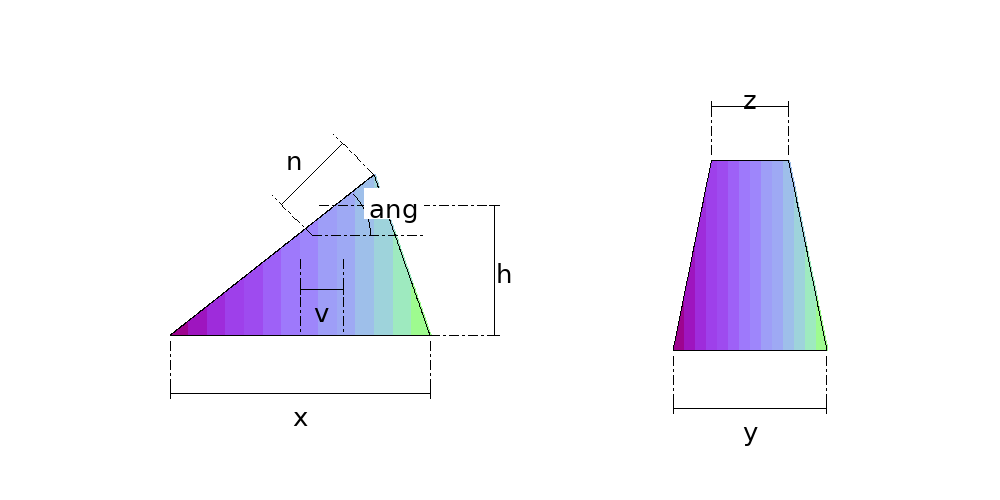
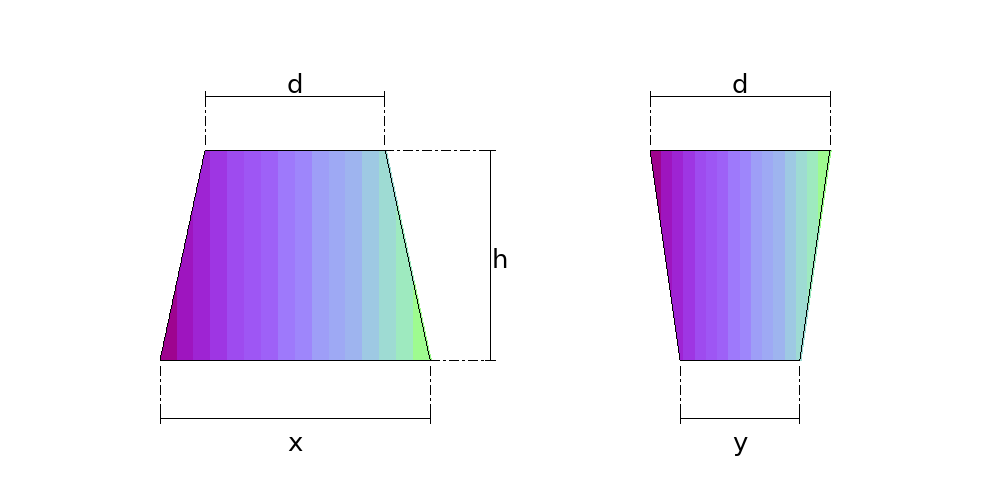
The cone is the transition between two diameters: concentric and eccentric reducers, oblique cone, conical cap and hopper. They open into an annular sector or by triangulation, and the holed cones carry the nozzle mouth already marked on the plate.
Segmented bends and elbows
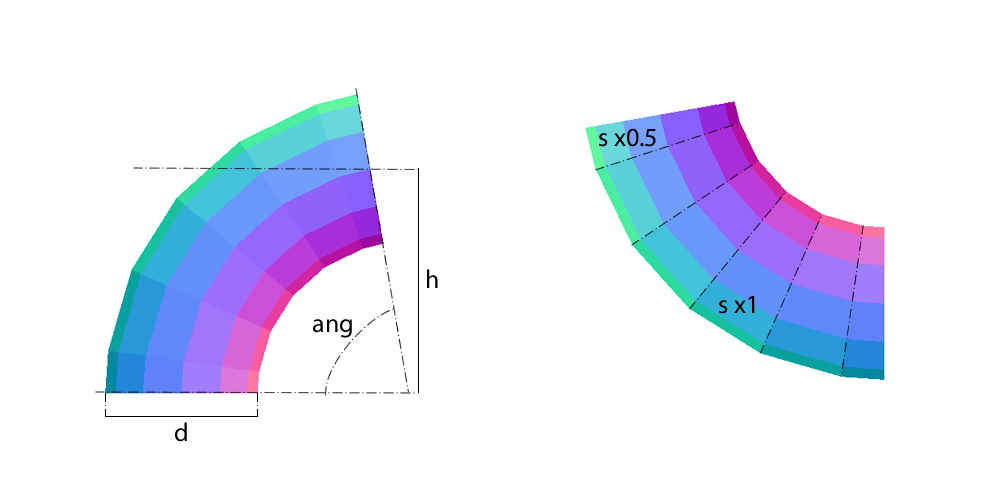
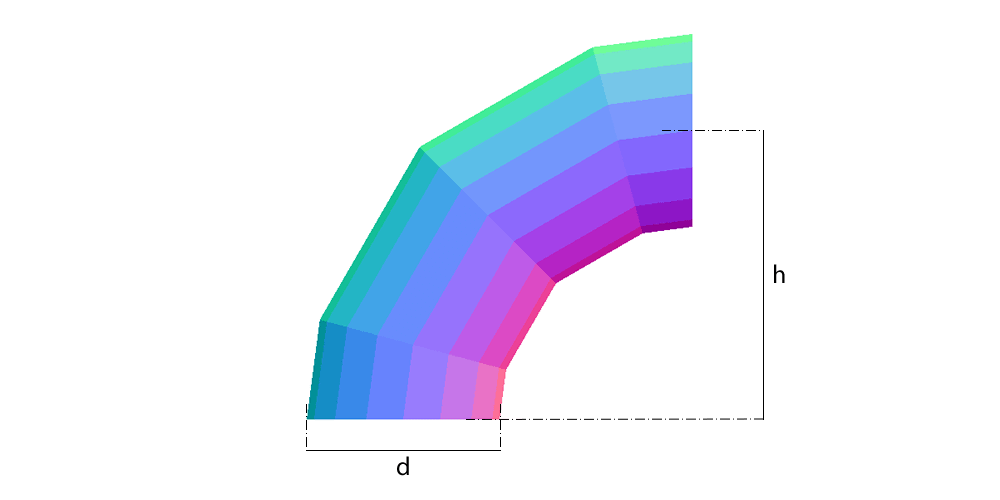
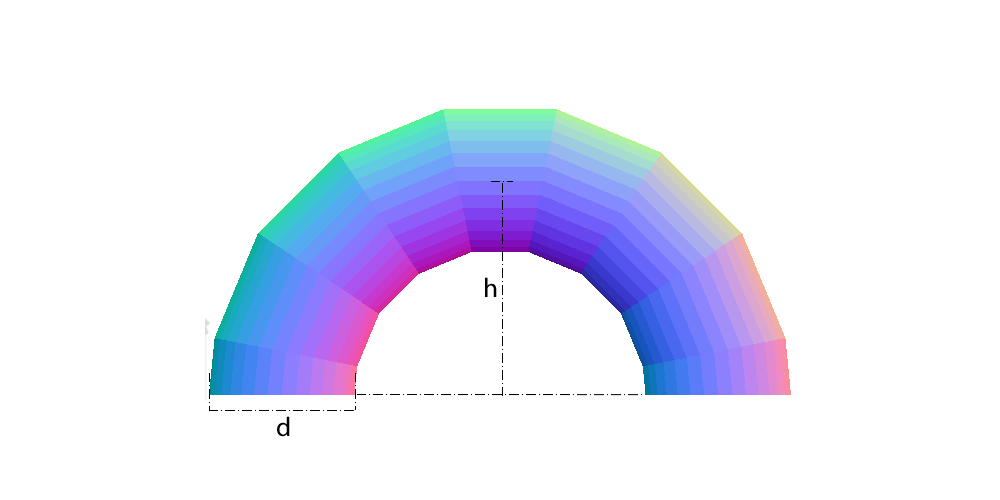
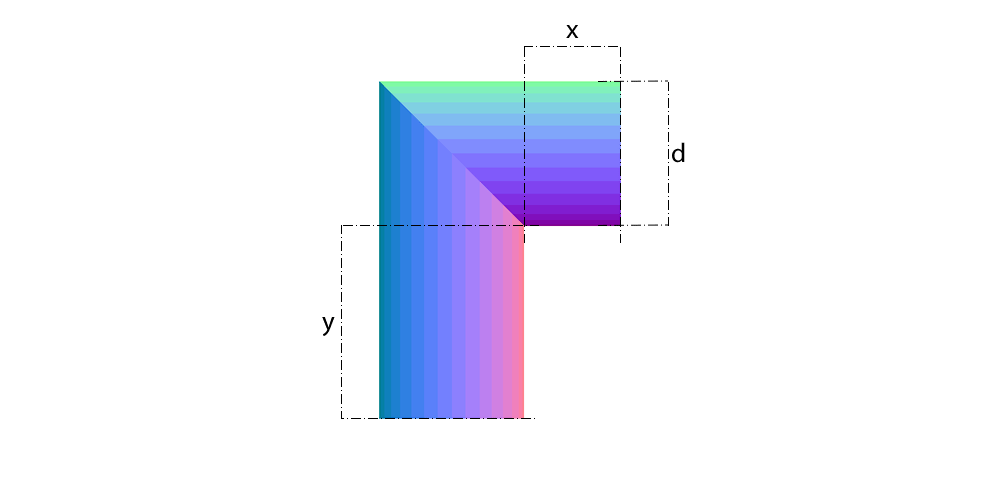
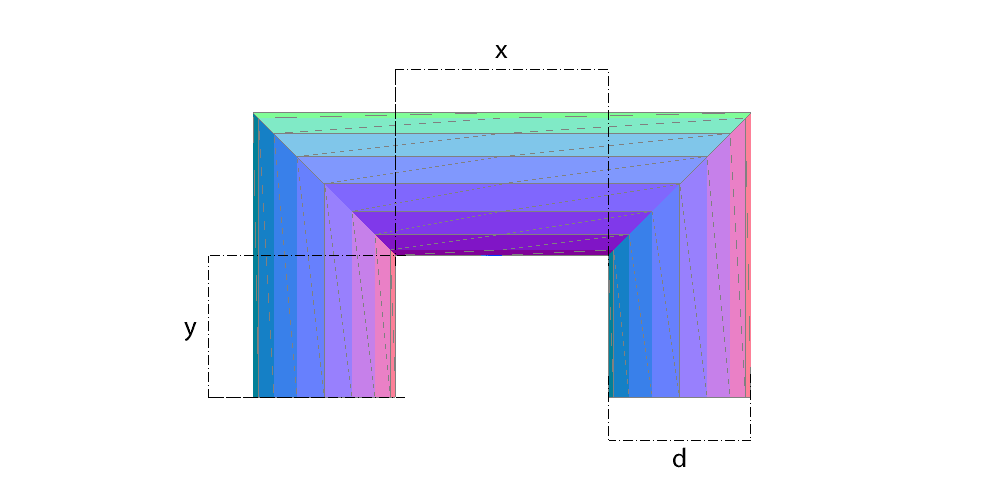
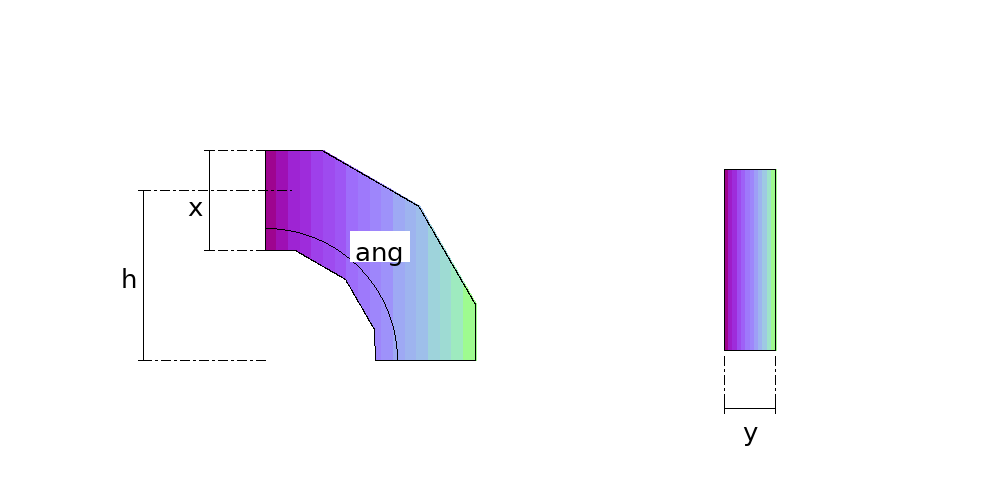
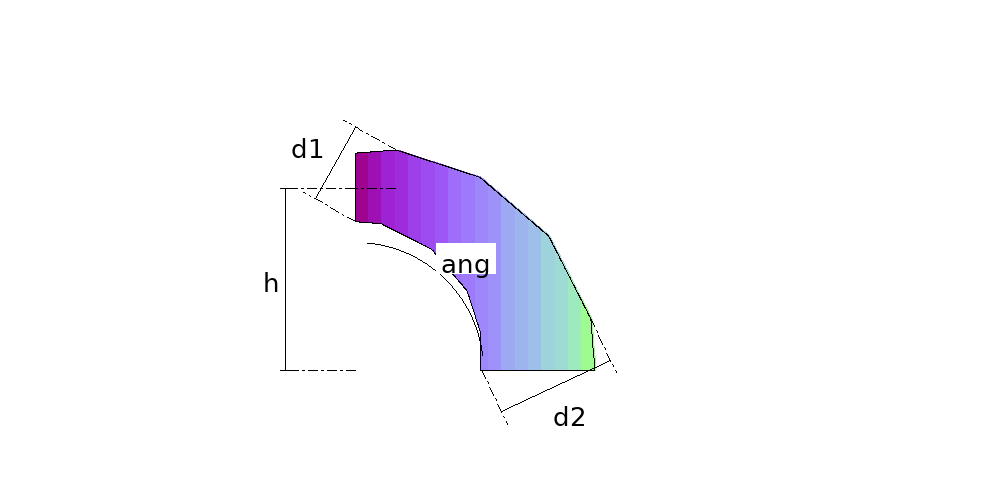
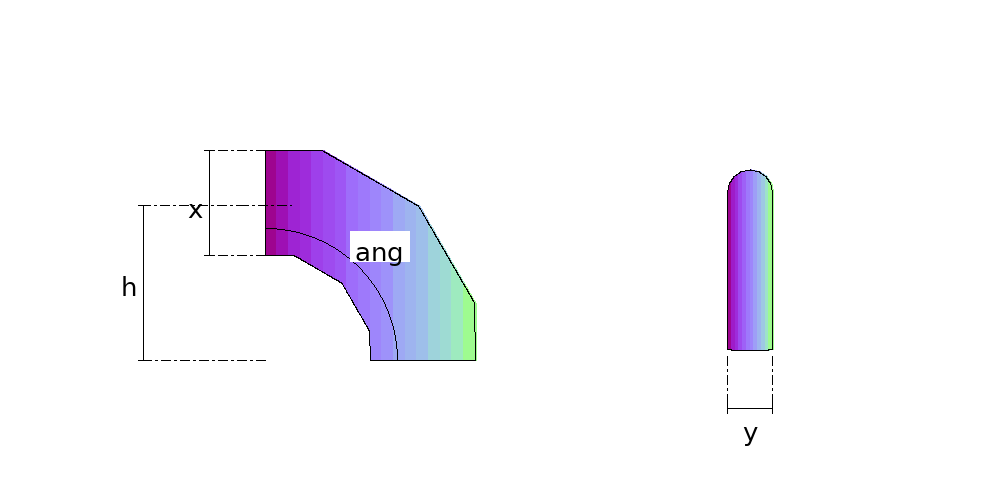
Changing direction in plate: free, 90° and 180° lobster back bends, the two-gore elbow, the reducing bend, rectangular and flat-oval duct bends, and the pipe offset. Every gore is a cylinder cut at an angle, and the wave formula is the same for all.
Branches and nozzles
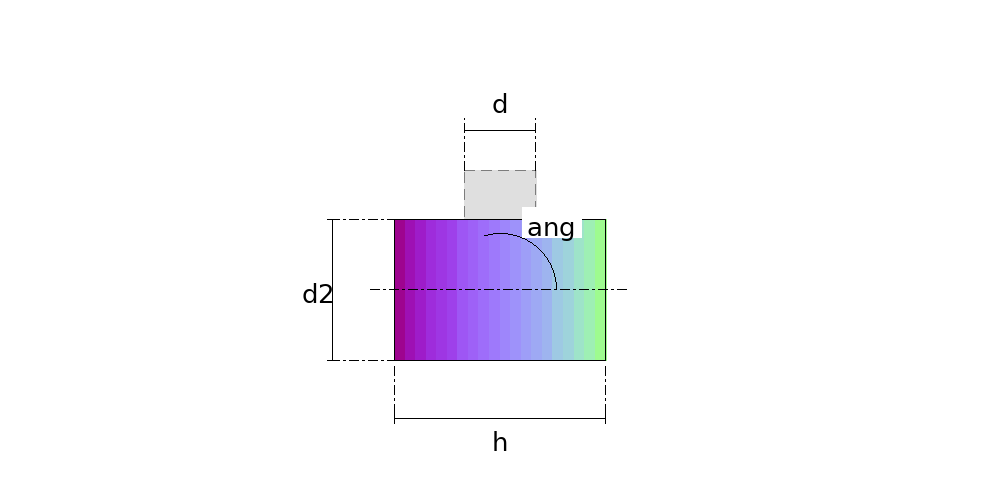
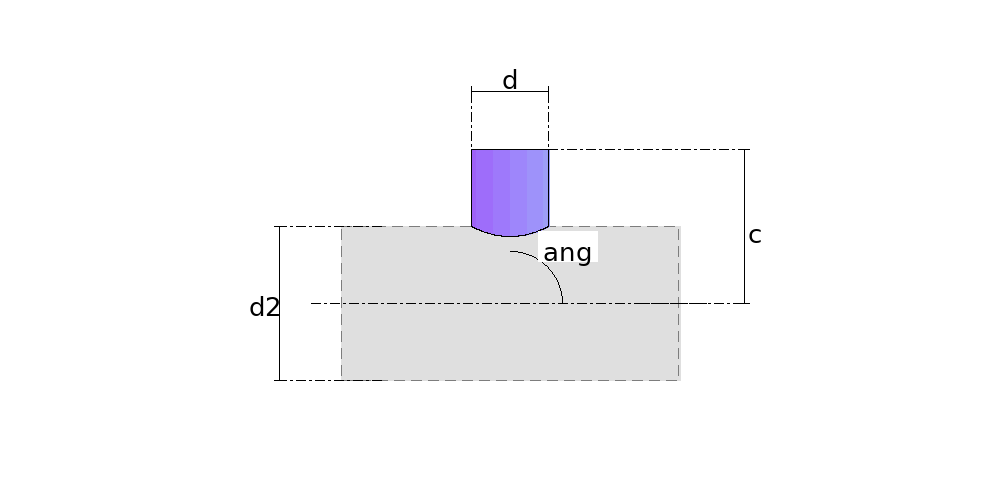
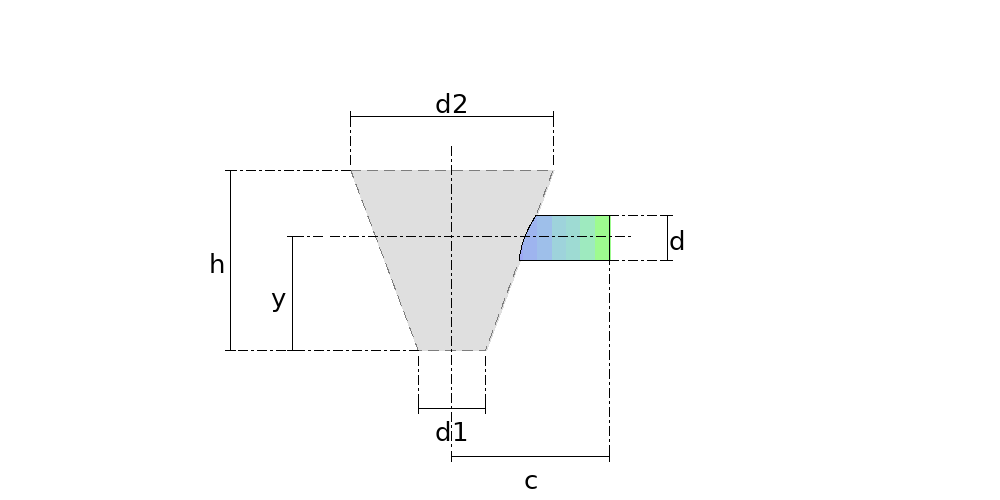
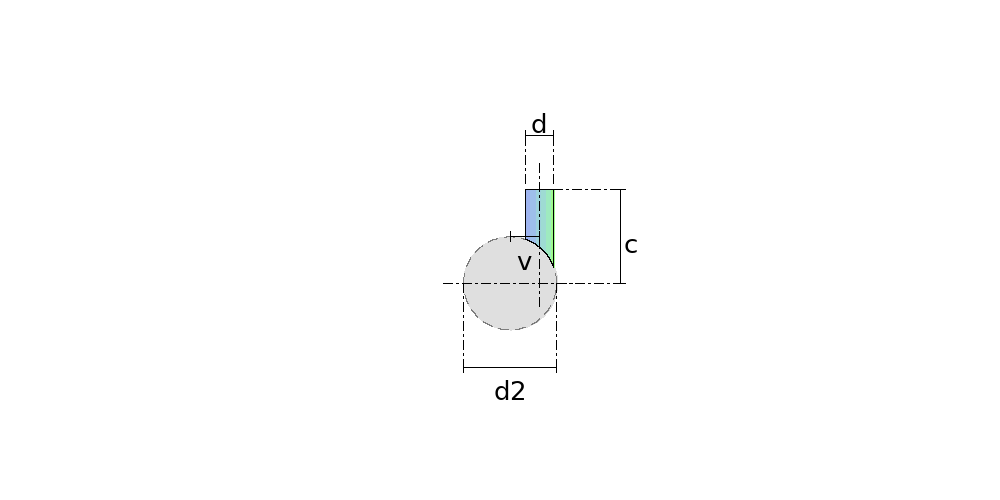
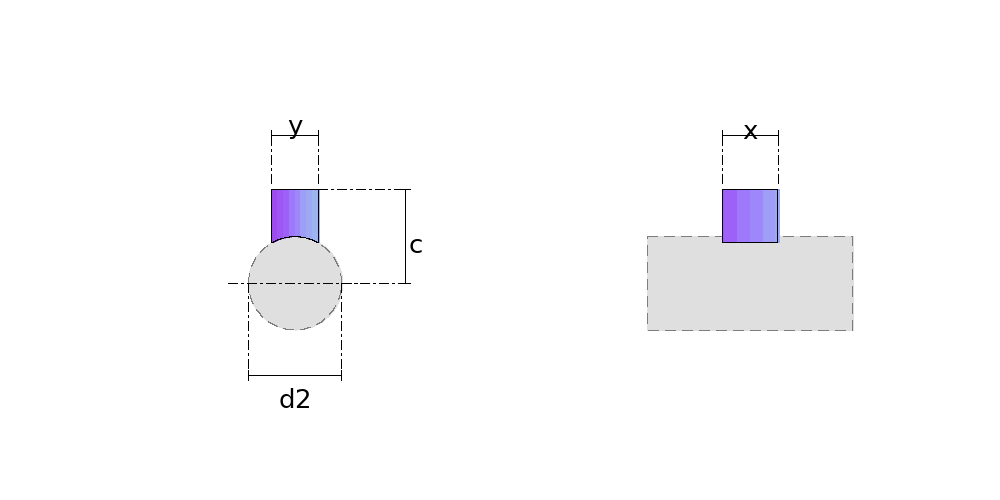
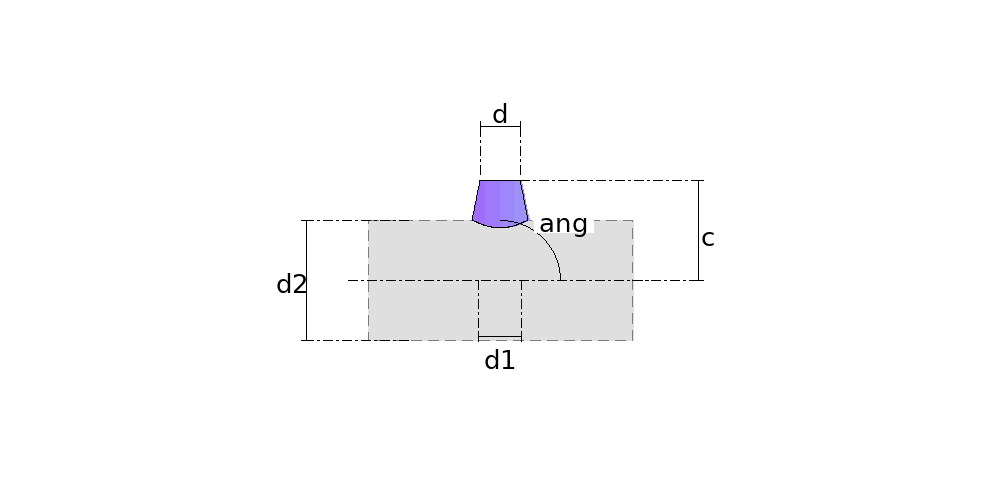
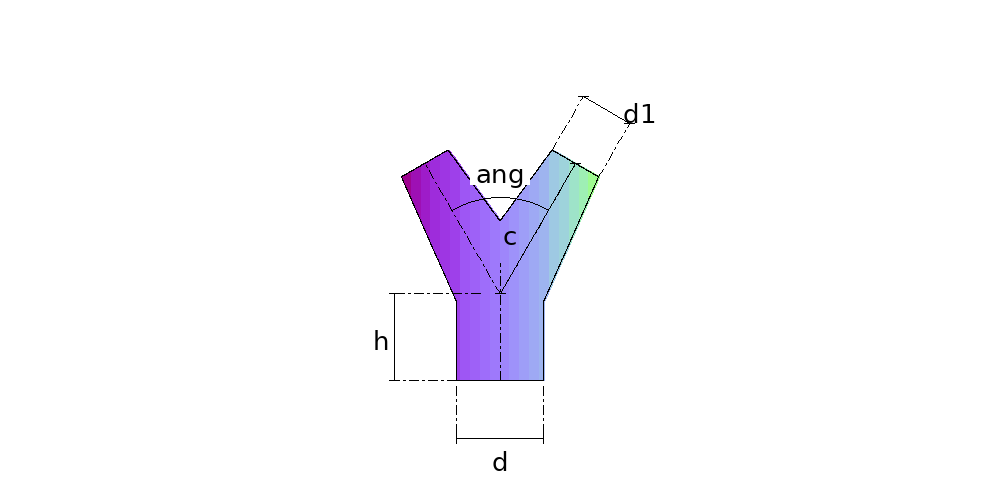
The branch that enters another part: saddle (tee), tangential inlet, conical nozzle, rectangular tap, nozzles on a cone and the Y piece. The branch plate comes from here; the hole in the receiving part lives with the shells and the holed cones.
Transitions
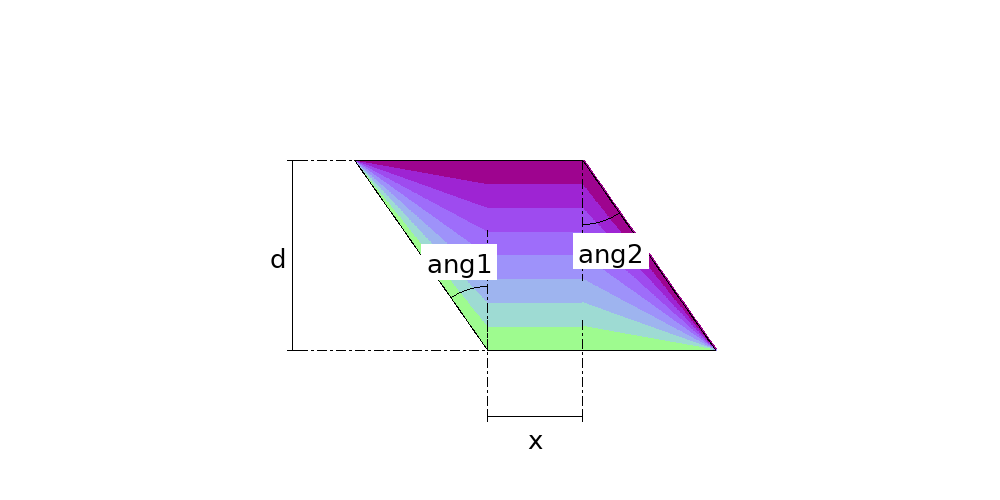
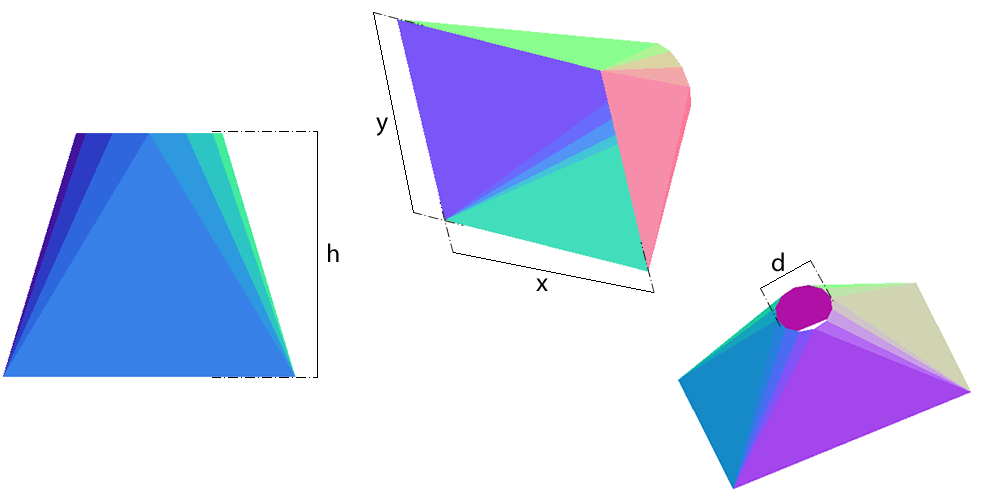
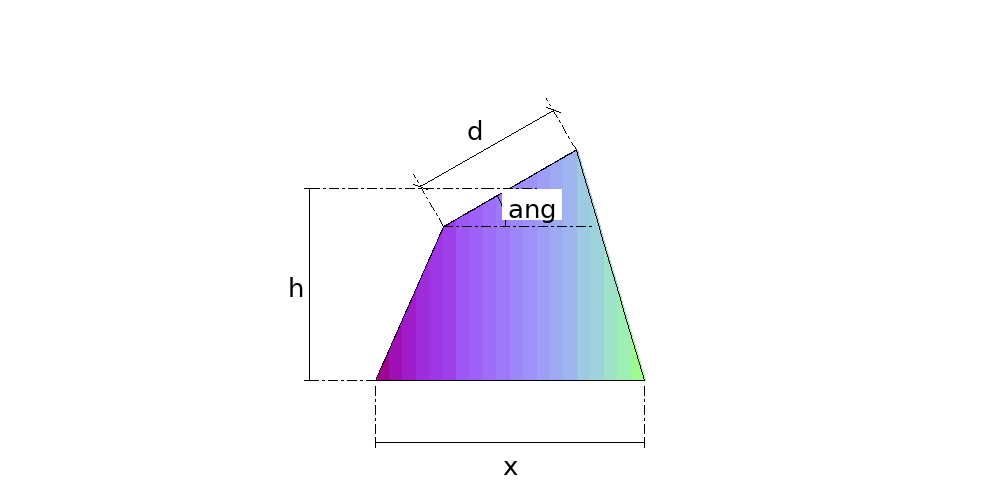
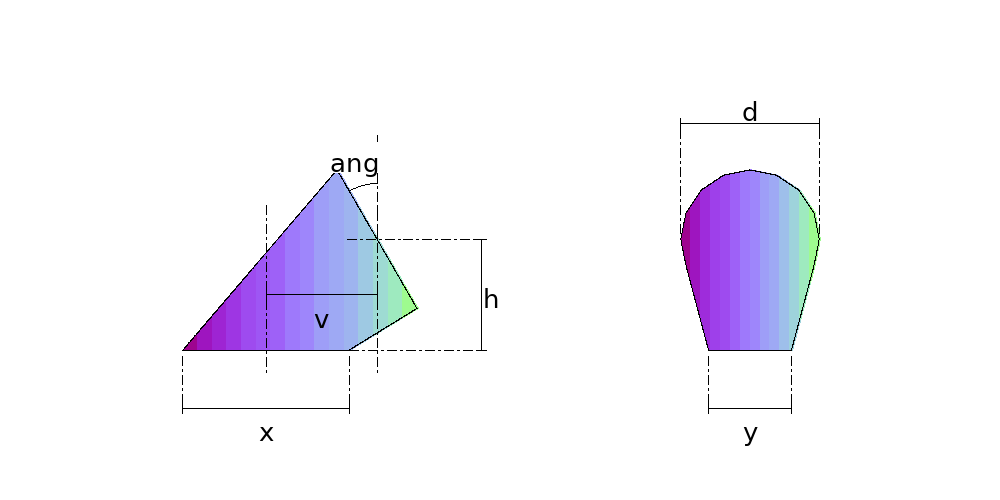
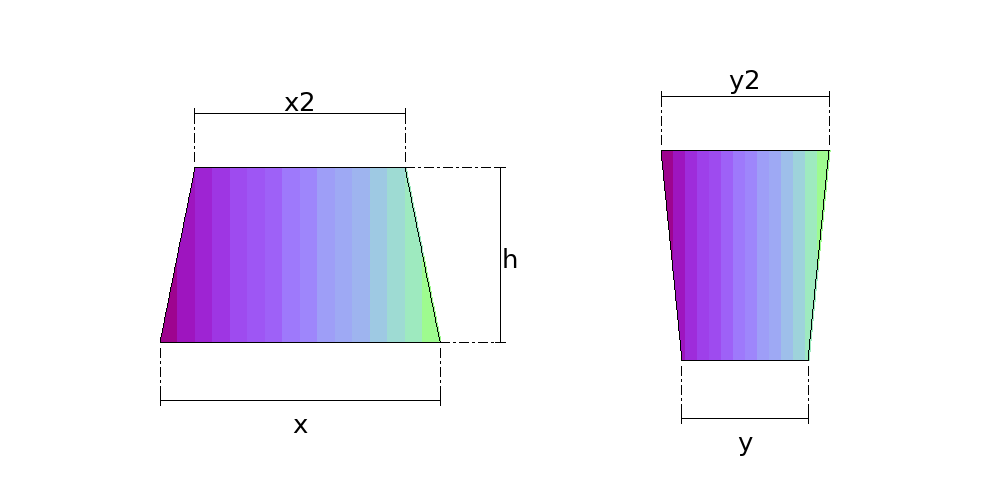
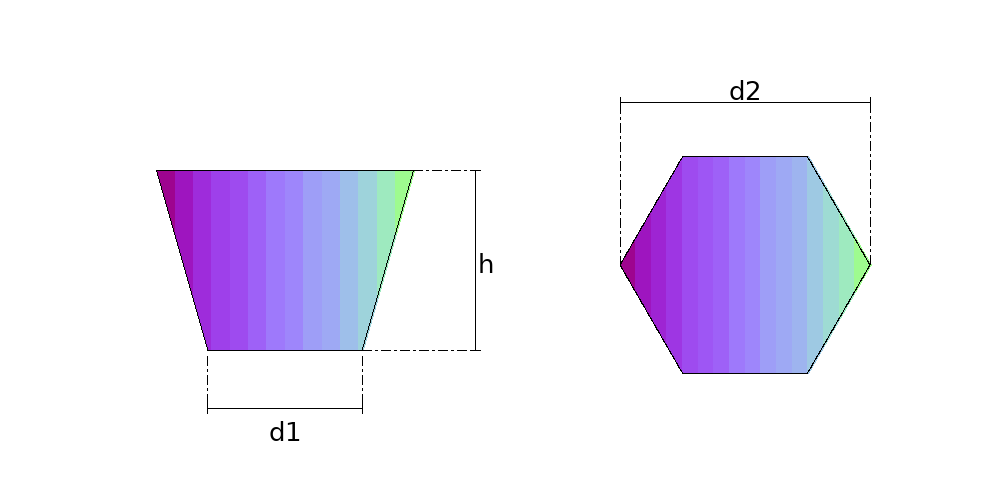
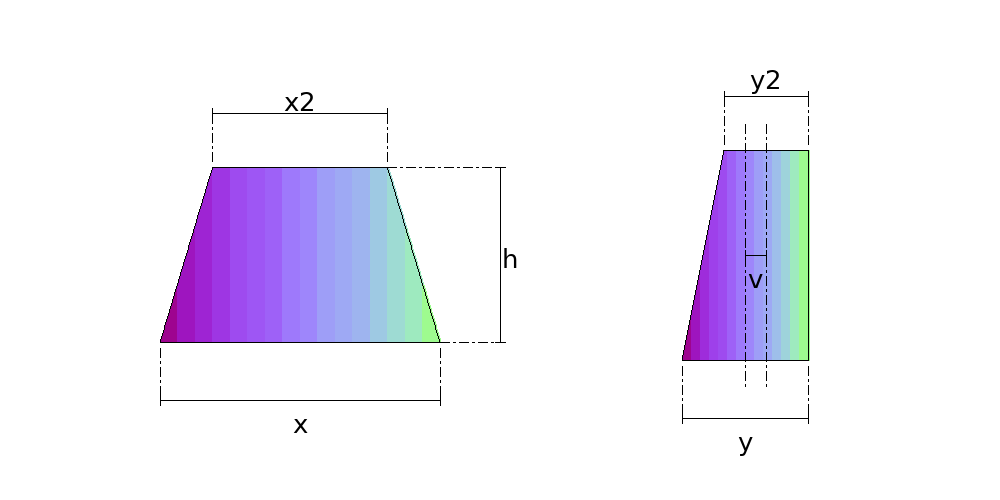
One opening becomes another: square to round, round to oval, oval to rectangle, rectangular reducer, pyramid frustum, angular boot and discharge chute. Almost all are solved by triangulation, with the true length of every line.
Non-round tubes
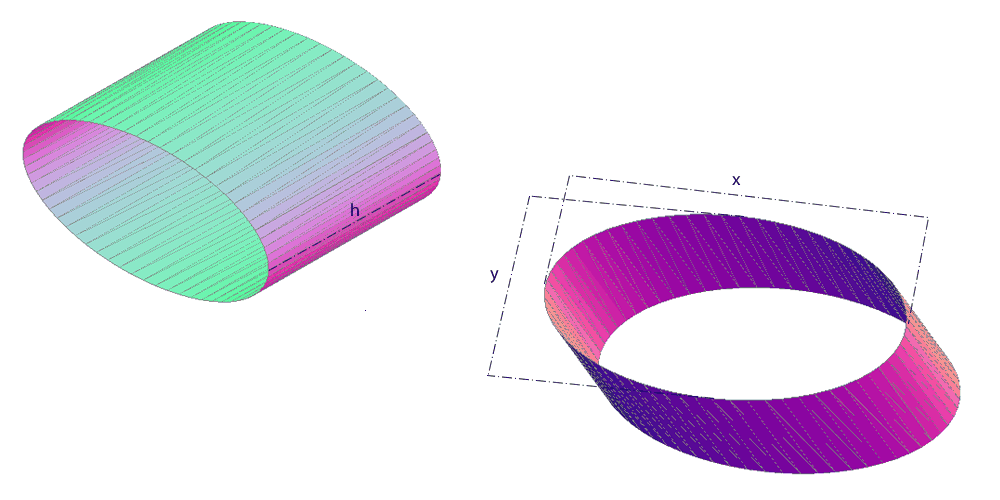
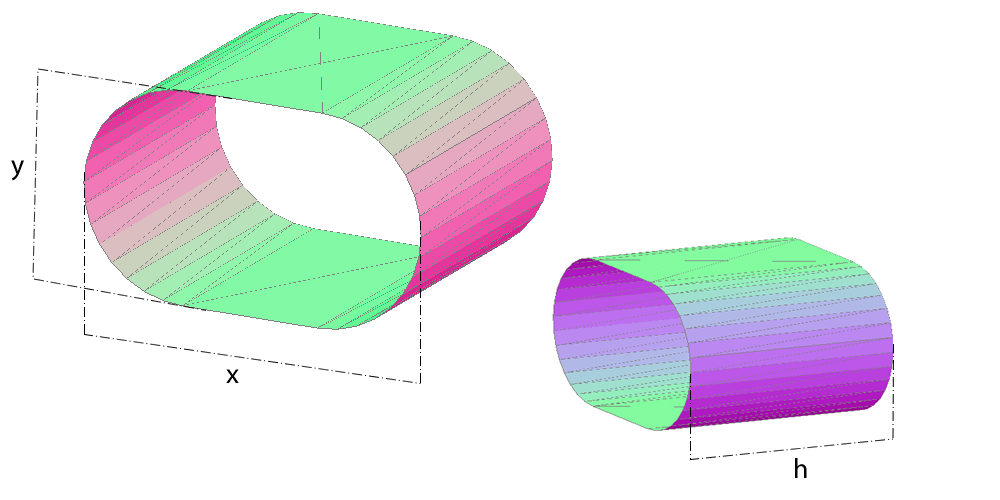
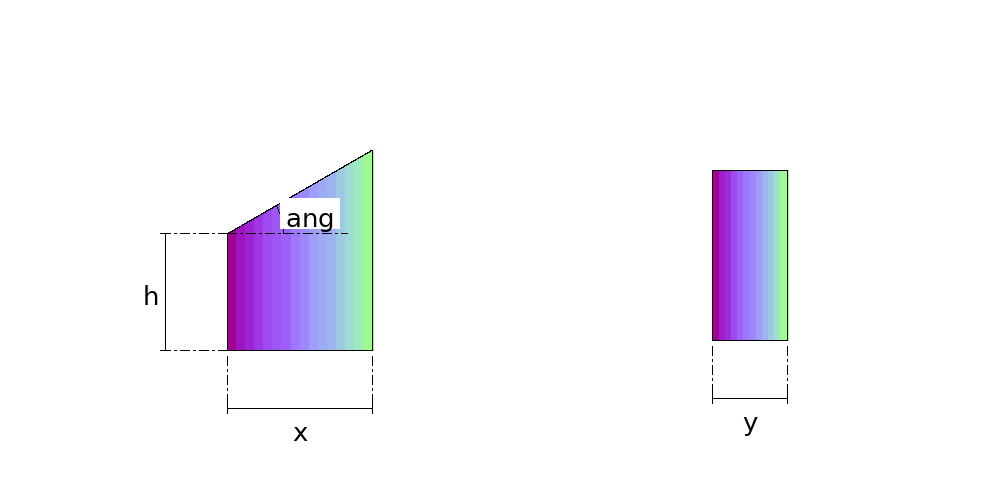
The straight tube of elliptical, flat-oval (obround) or rectangular section, and the rectangular tube cut at an angle. The plate is a rectangle whose length is the section perimeter on the neutral axis.
Dished heads
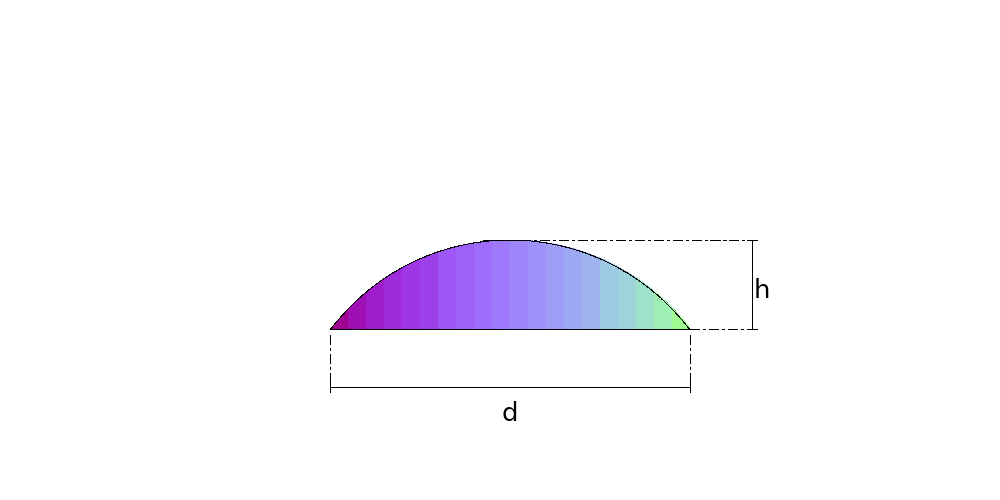
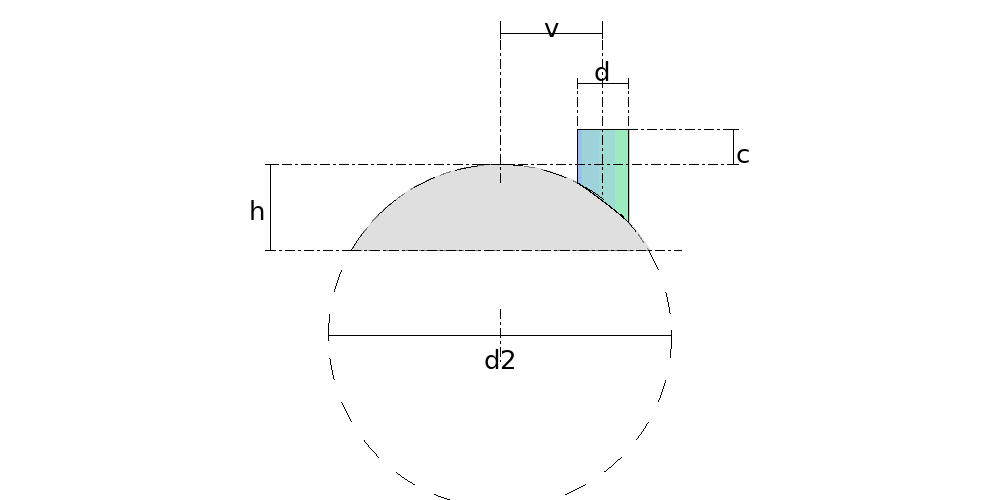
The spherical head in gores and the nozzle set into it. A sphere is not developable: the gore template is the shop layout, exact in area, and the part is formed.
Screw flight
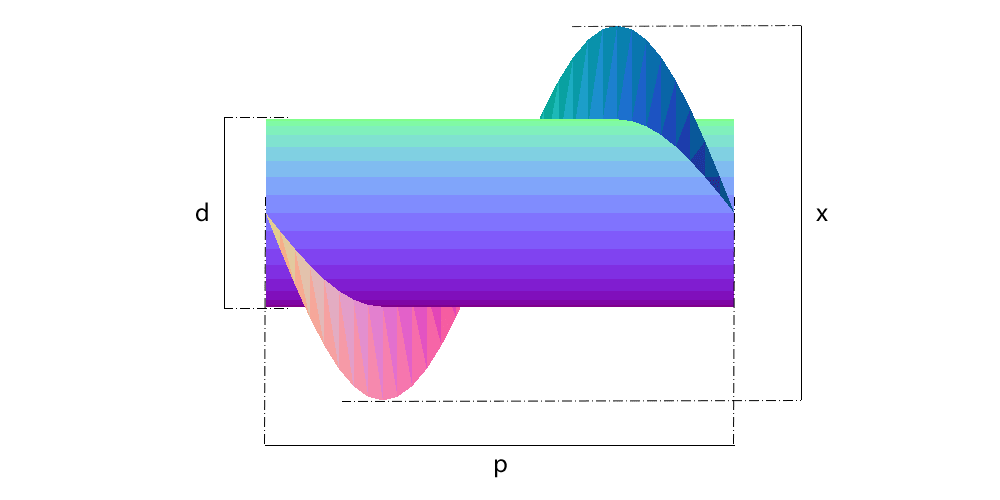
The flight of a screw conveyor: each turn is an open ring which, twisted, rises one pitch.
Flanges
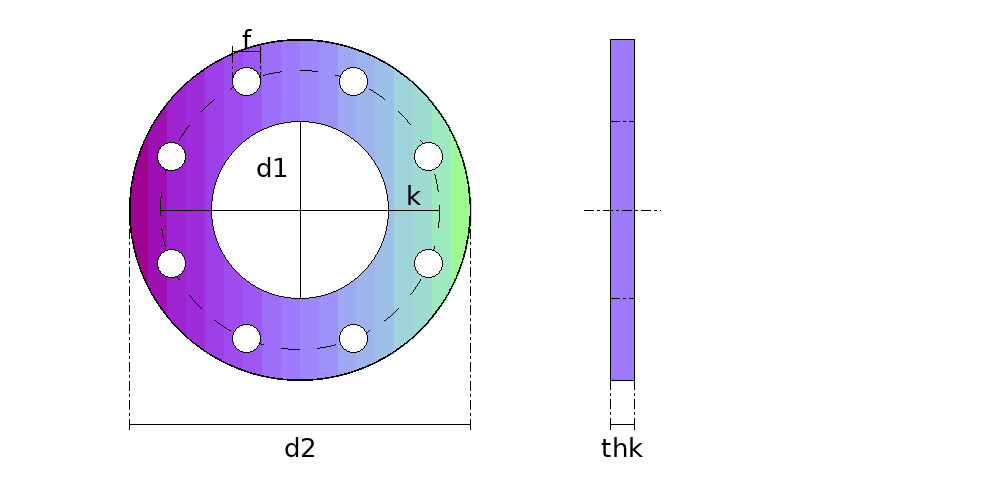
The plate flange: the ring with the drilling that mates with its counterpart. The part is already flat, so there is nothing to develop -- what is calculated is the position of each hole, and the ASME B16.5 and EN 1092-1 drillings fill in with one click.
Sprockets
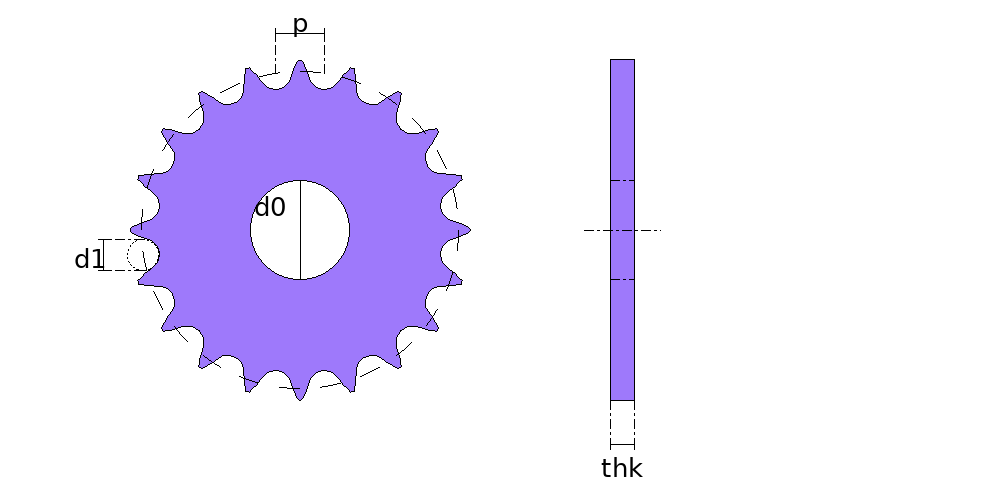
The roller chain sprocket, cut from flat plate. There is nothing to develop: what is calculated is the tooth for the chain, and the ANSI, ISO 606, motorcycle and bicycle chains fill in with one click.
No part by that name. Try a single word — "cone", "bend", "nozzle".
Can't find the part you need?
Tell us which one, in your own words: what your shop calls it, what it is for, the sizes you usually work with. These requests are how we choose the next parts in the catalogue.