Branch and nozzle development
The branch that enters another part: saddle (tee), tangential inlet, conical nozzle, rectangular tap, nozzles on a cone and the Y piece. The branch plate comes from here; the hole in the receiving part lives with the shells and the holed cones.
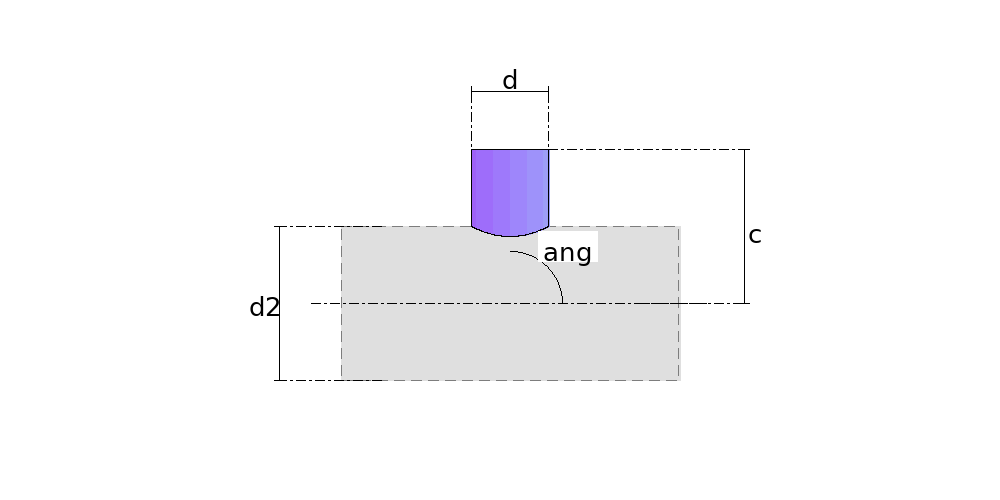
Pipe Branch (Tee)
The mouth cut into the end of one pipe so it seats onto another — the saddle. Work out the branch free, with the ordinate table; the main pipe just takes the hole.
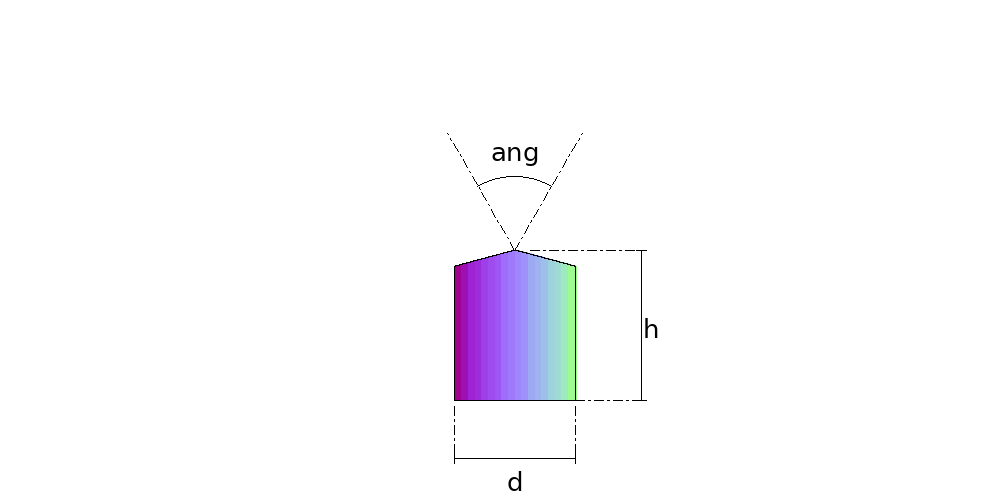
Y Piece Trunk (Breeches)
The lower pipe of a Y branch, cut as a fish mouth: two mitre planes meeting on the crotch line. Flat, it gives two peaks and two troughs.
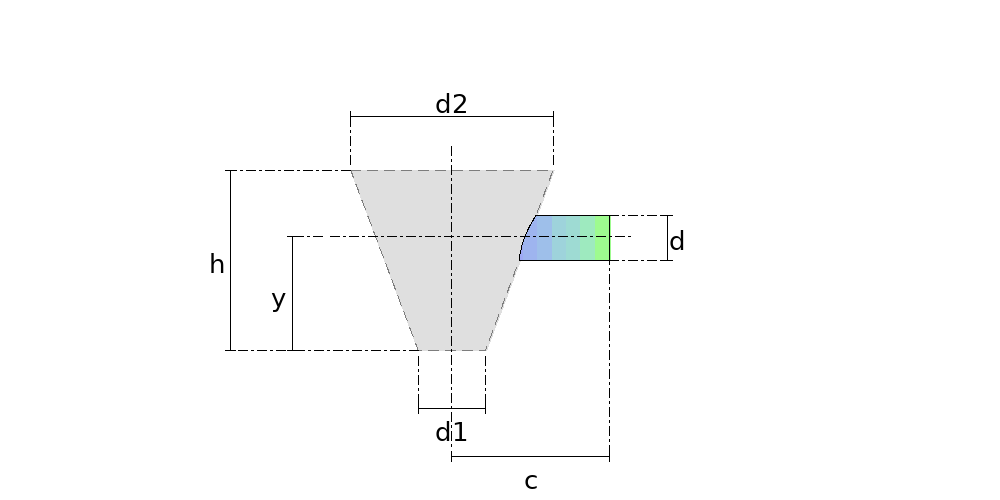
Cone Branch
The branch entering a conical hopper horizontally. The wall radius changes with height, so the mouth comes out deeper at the top than at the bottom.
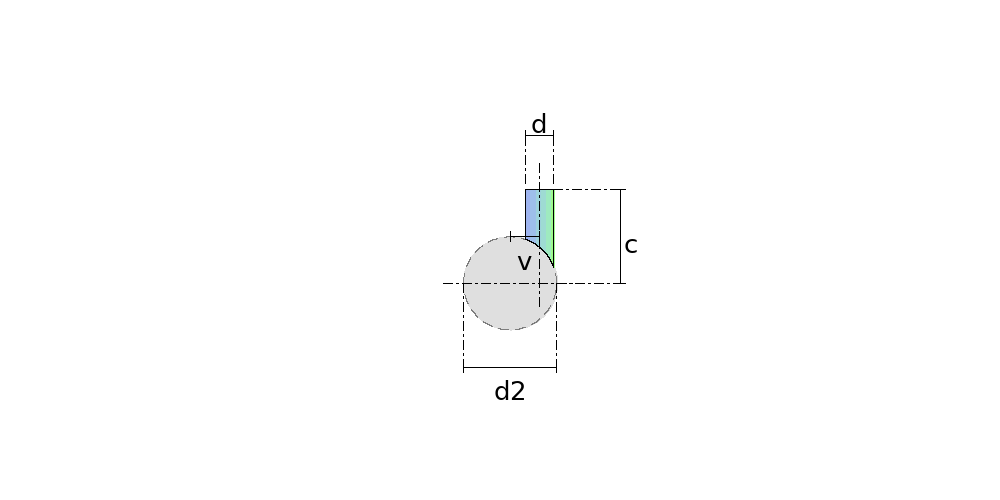
Offset Pipe Branch (Tangential Inlet)
The branch whose axis does not cross the main pipe — set to one side so the flow enters spinning instead of head-on. The ordinary branch cannot do it.
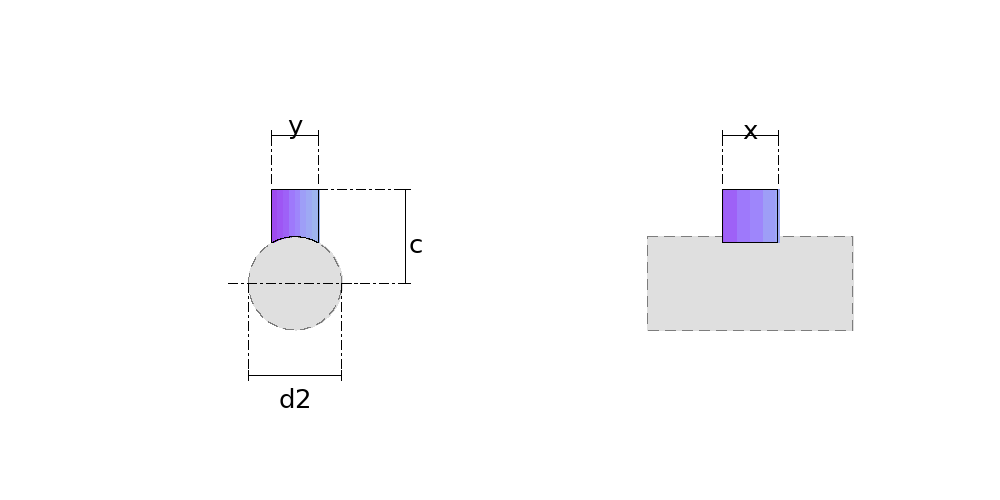
Rectangular Tap on Pipe
The rectangular collar seated on a shell — where a rectangular duct enters a round pipe. Each pair of walls is bitten by the pipe differently.
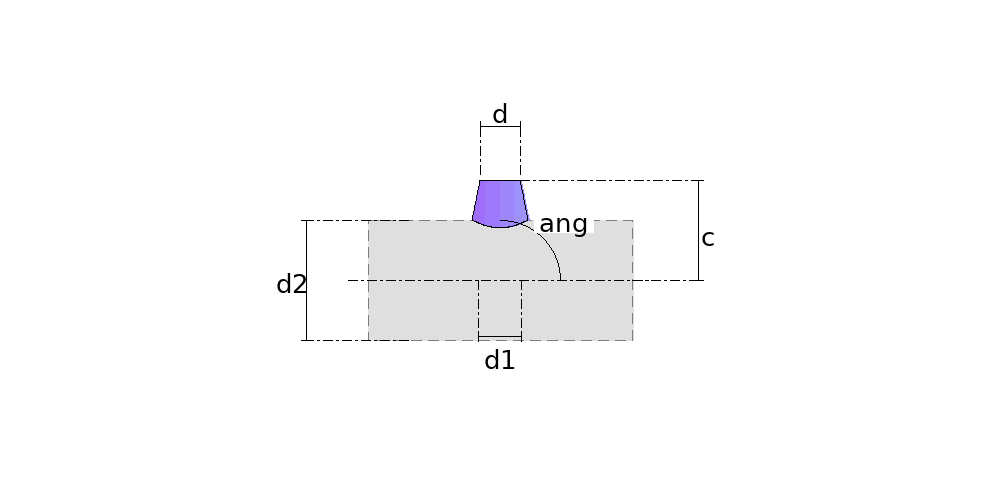
Conical Tap (Conical Tee)
The nozzle that leaves the pipe flared at the base and tapers to the collar: flaring spreads the weld stress instead of concentrating it.
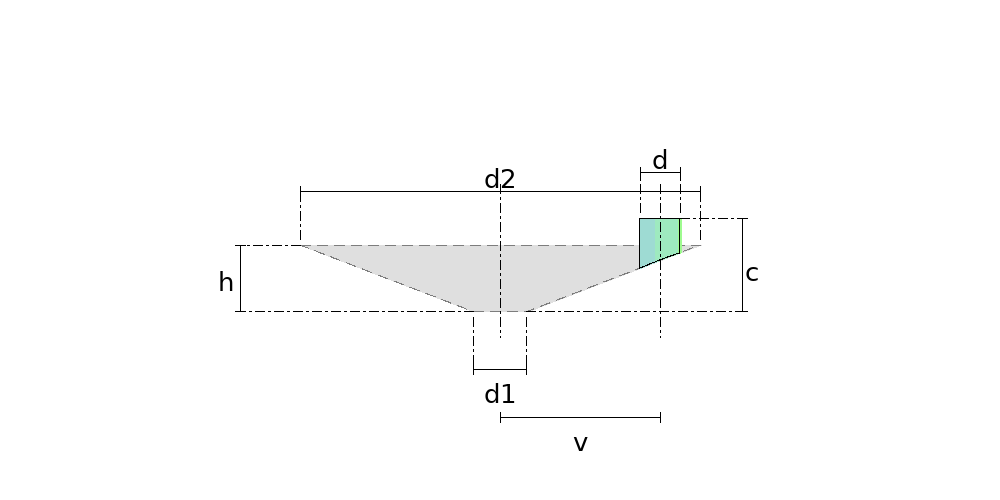
Parallel-Axis Nozzle on a Cone
The upright nozzle on a hopper or a conical roof: its axis runs parallel to the cone, offset by v, so the flange comes out level.
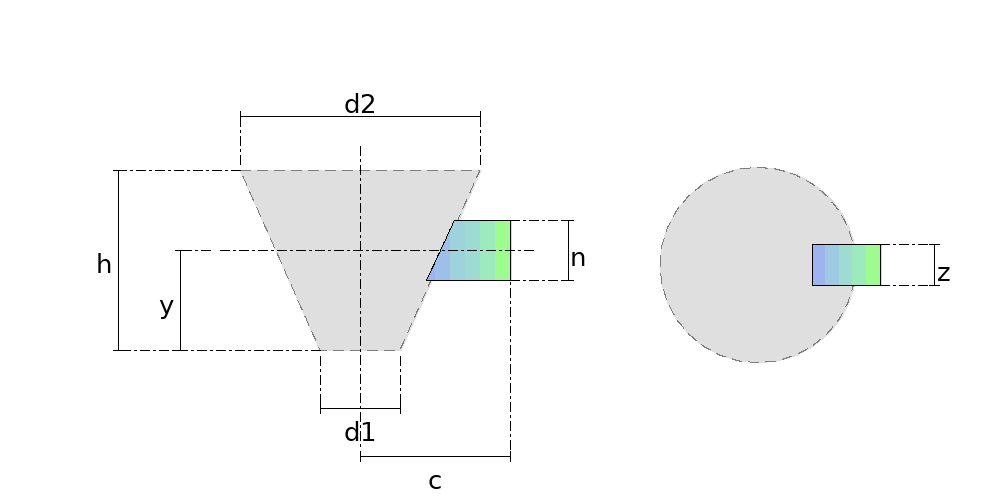
Rectangular Tap on a Cone
The rectangular collar on the wall of a cone — the grille mouth and the chute on a conical hopper, where the host radius changes with height.
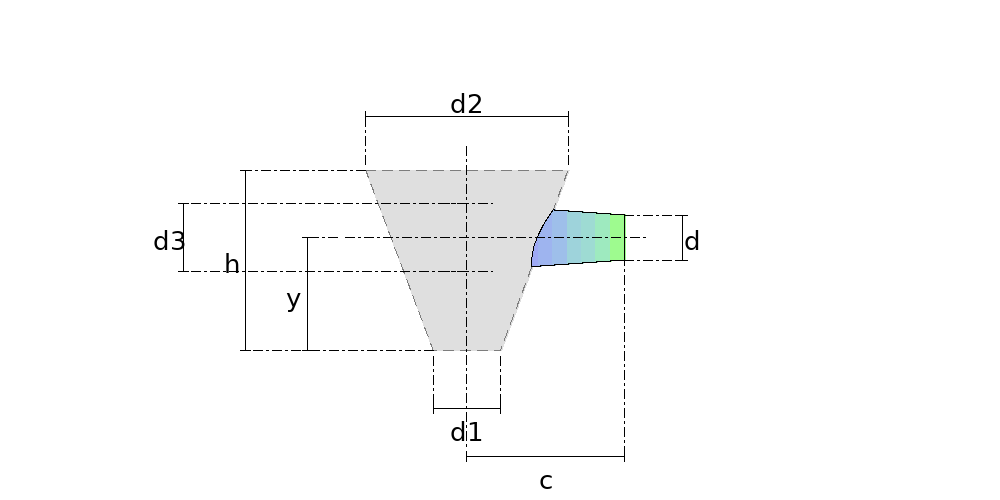
Conical Tap on Cone
The sixth of six branch-and-host combinations: the conical branch entering a cone. On a hopper the flared base matters more, not less.
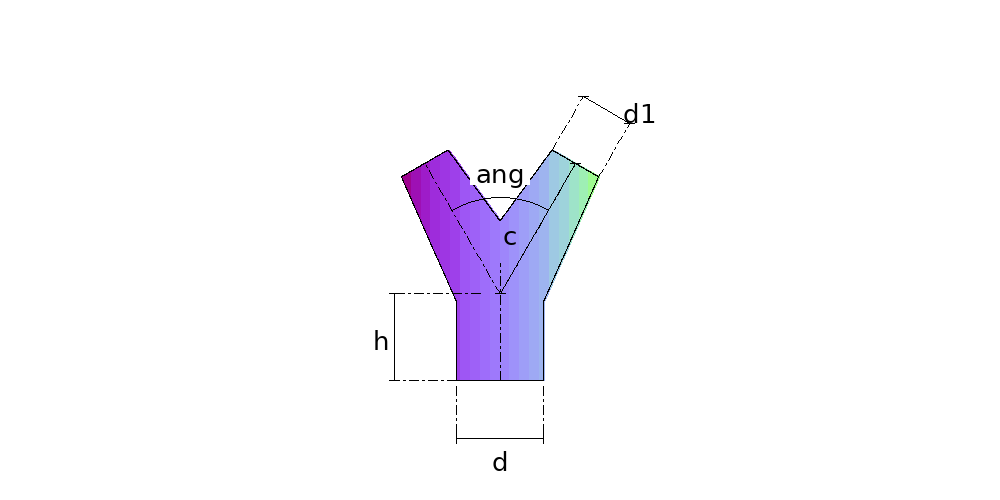
Conical Y Piece (Tapered Breeches)
The Y branch whose two outlets taper. Its leg is a cone cut at the large end by two different planes in one lap, and no other part does that.