Rolled shell development
The rolled shell is the straight tube of plate, and the basis of nearly everything: stacks, ducts, silos and tank shells are stacked cylinders. Here are the plain shell, the mitre-cut and double-cut ones, and the shells with the nozzle or branch hole already marked on the plate.
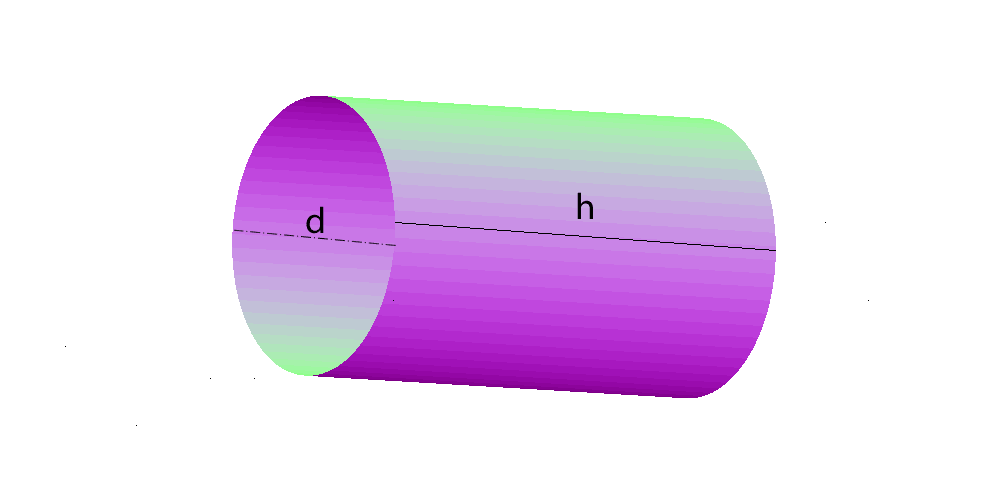
Cylinder
The rolled shell is the straight tube: plate run through the rolls and closed with one longitudinal weld. Work out the plate free, on the neutral axis, no account needed.
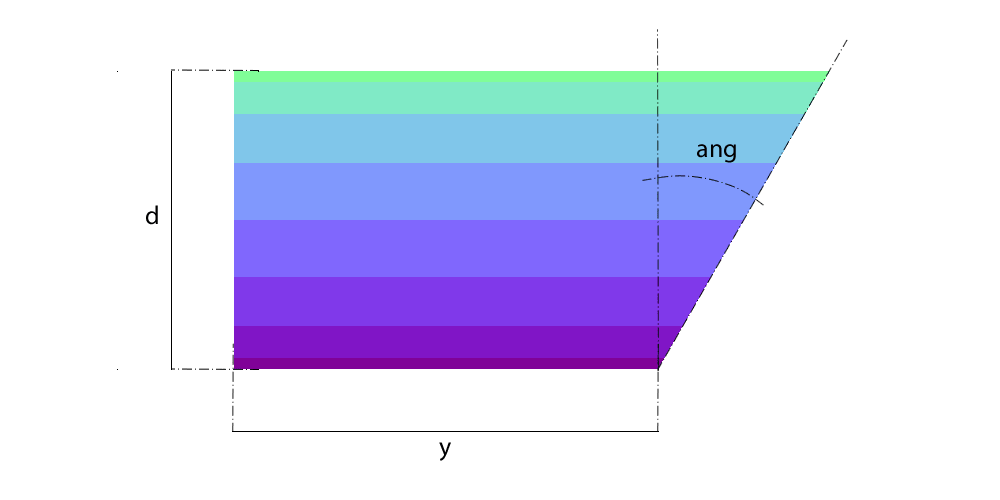
Truncated Cylinder
A shell with one end cut on an inclined plane. The angle cut opens out as a sine wave, its height from the cut angle and its length from the circumference.
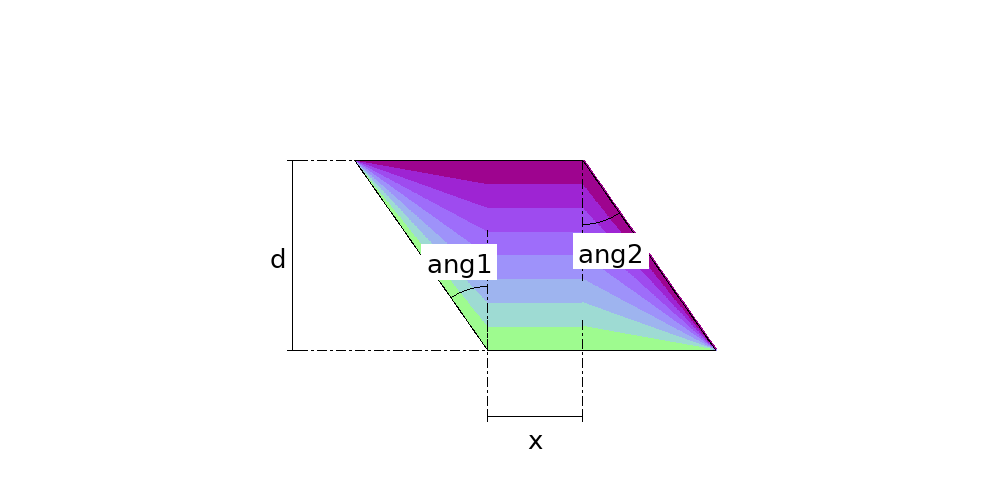
Double Cut Cylinder
A shell cut at an angle on both ends, each with its own angle — the intermediate gore that clears two offsets with a single length of tube.
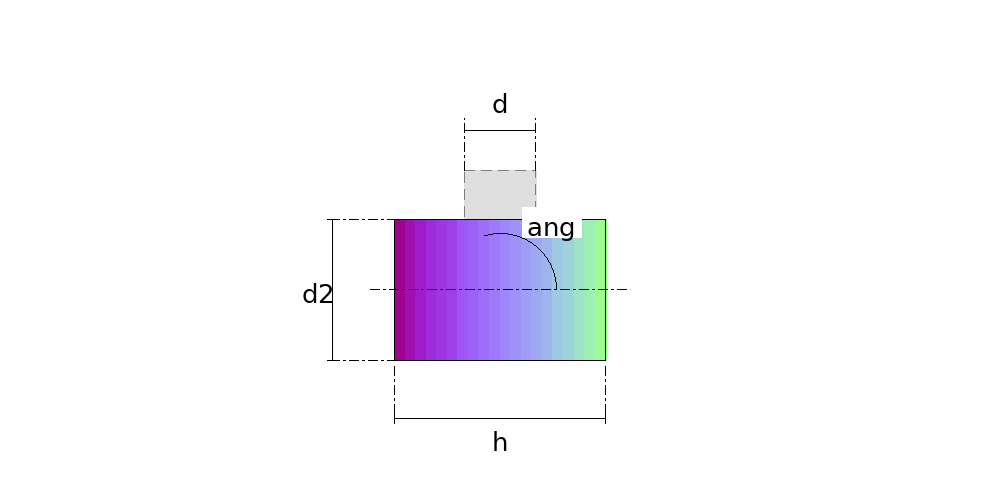
Cylinder with Branch Hole
The shell course with the branch hole already in it — the missing half of every branch job. The only sheet here with an internal cut-out.
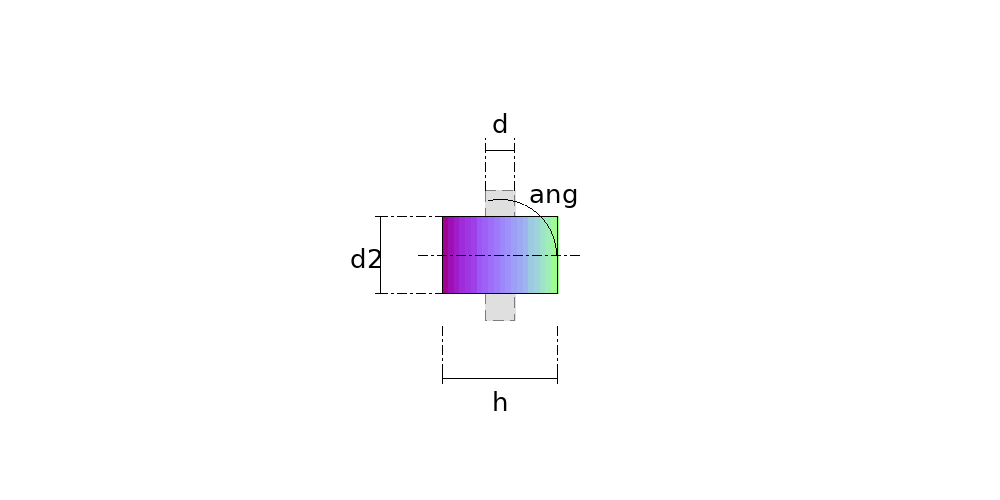
4-Way Cross Shell
The run pipe of a cross, with both holes. What it gives, and the single-hole shell cannot, is the relative position of the two holes on the flat sheet.
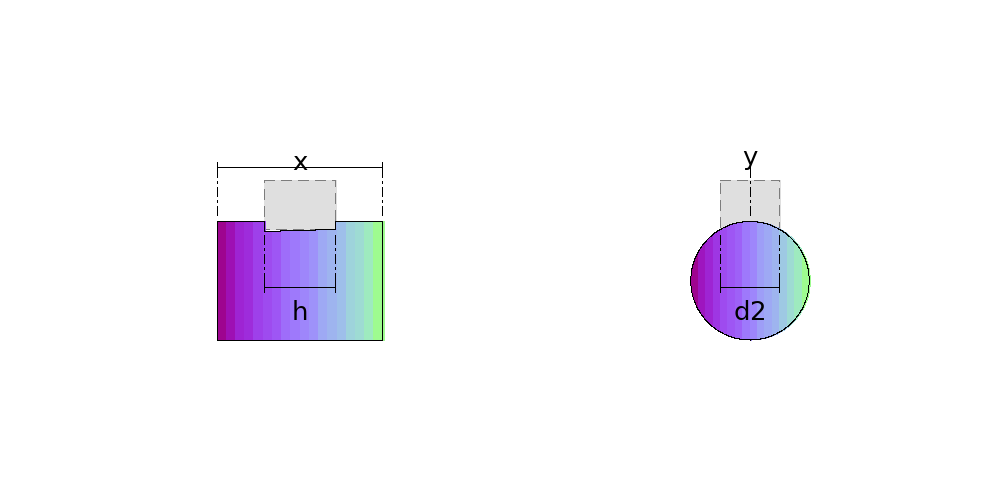
Cylinder with Rectangular Hole
The hole IS a rectangle, which is what fools everyone — but the side running across the shell does not measure y. This is the half people get wrong.
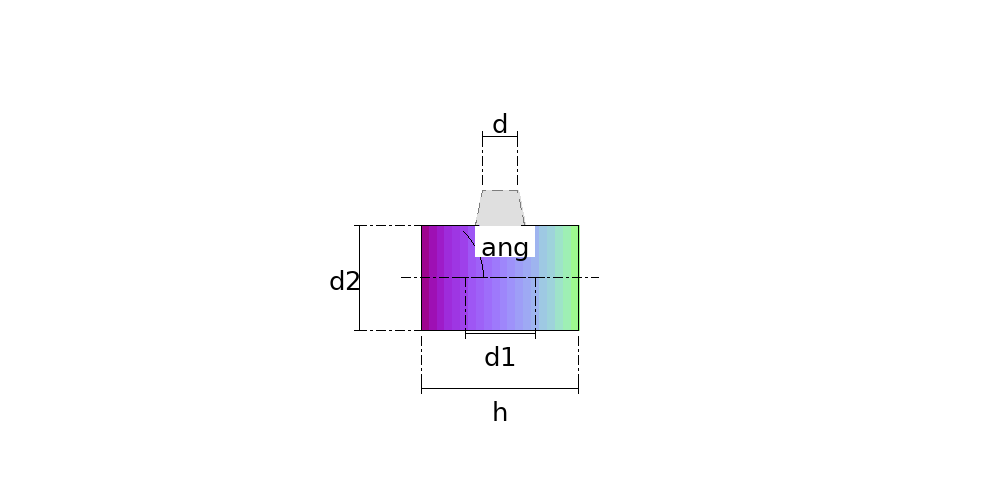
Cylinder with Conical Branch Hole
The round-hole shell will not do: a conical nozzle reaches the shell already flared, and opens a larger hole of a different shape.