Segmented bend and elbow development
Changing direction in plate: free, 90° and 180° lobster back bends, the two-gore elbow, the reducing bend, rectangular and flat-oval duct bends, and the pipe offset. Every gore is a cylinder cut at an angle, and the wave formula is the same for all.
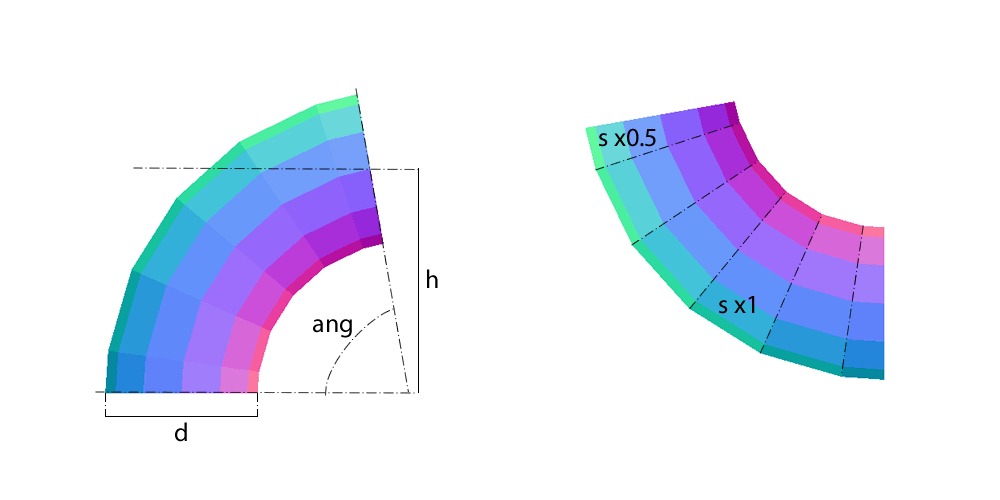
Segmented Bend
The segmented bend, or lobster back: lengths of tube cut at an angle and welded up to approximate a radius. More gores, smoother bend, more welding.
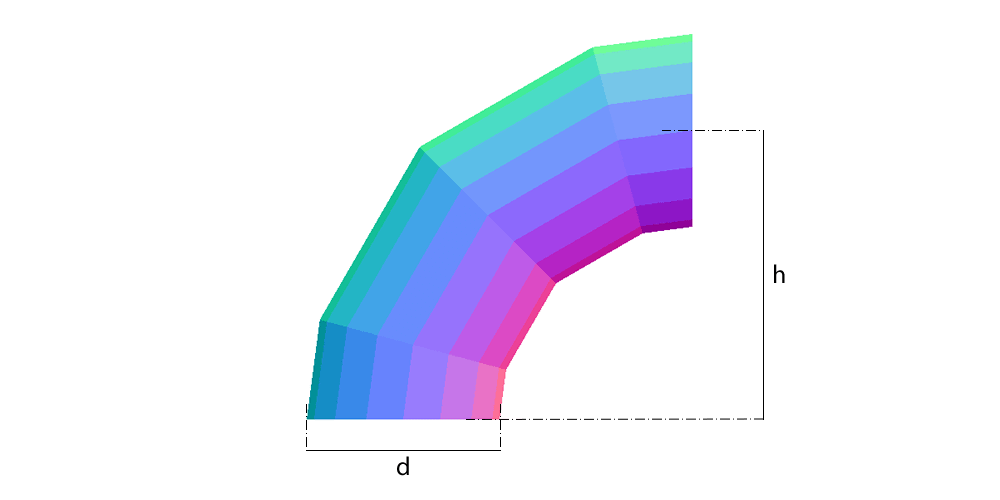
90° Segmented Bend
The segmented bend with its angle fixed at 90 degrees. Enter diameter, radius and gore count and get the flat pattern free, with the formula and the ordinate table.
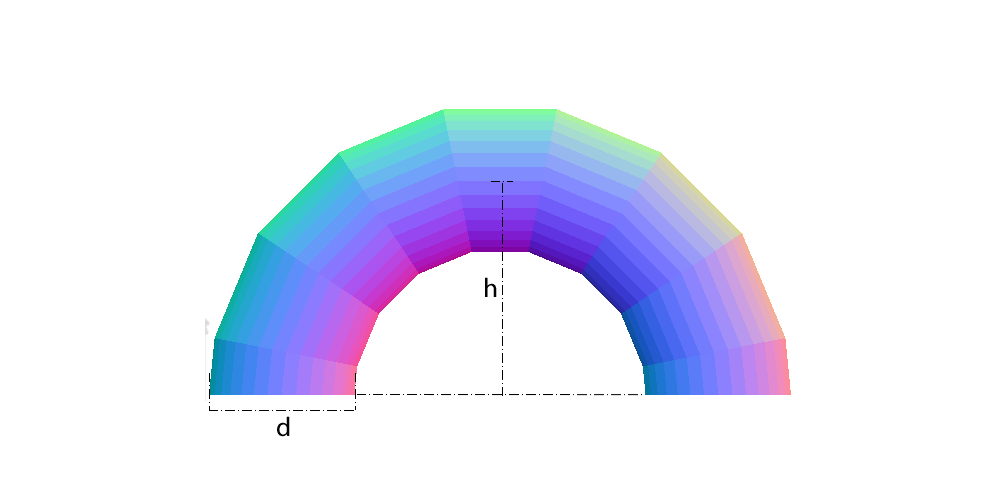
180° Segmented Bend
The 180 degree segmented bend — the full return. The tube leaves in the direction opposite to the one it entered, around the radius you give.
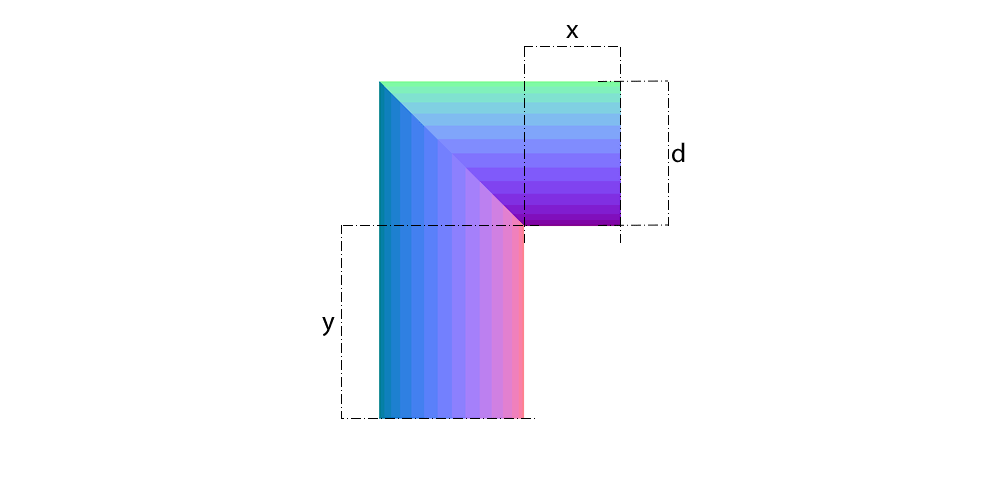
Elbow
The two-gore bend: two half shells cut at an angle and welded to each other. The cheapest direction change in plate, with one circumferential weld.
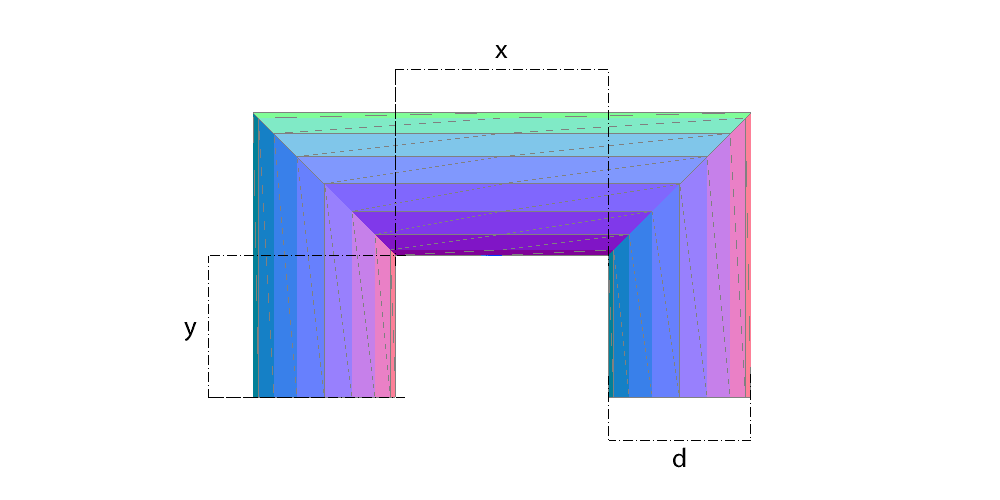
Pipe Offset (Portal)
The U-shaped offset: two elbows joined by a straight run, solved together so the cuts match. It comes out as four flat patterns, one per segment.
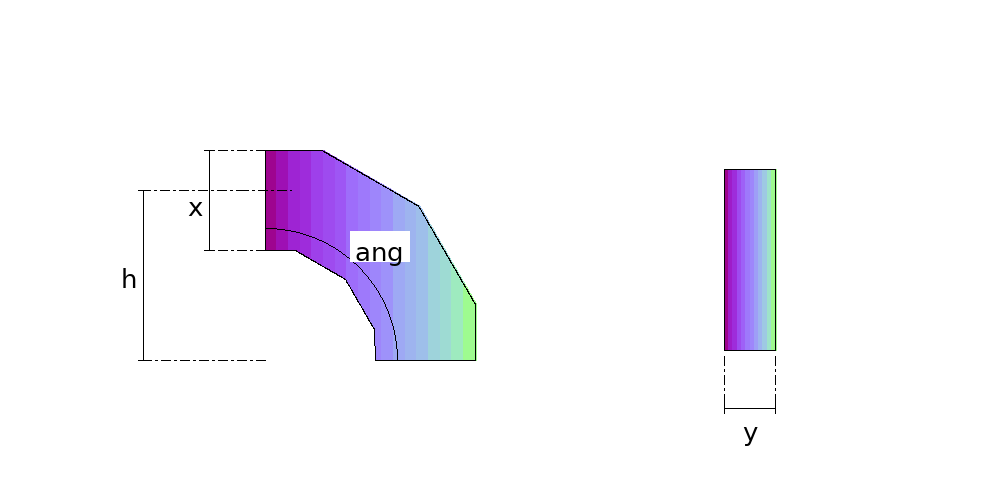
Rectangular Duct Bend
The mitred bend in rectangular section. Same calculation as the round one, but the cut is constant on two faces and varies linearly on the other two.
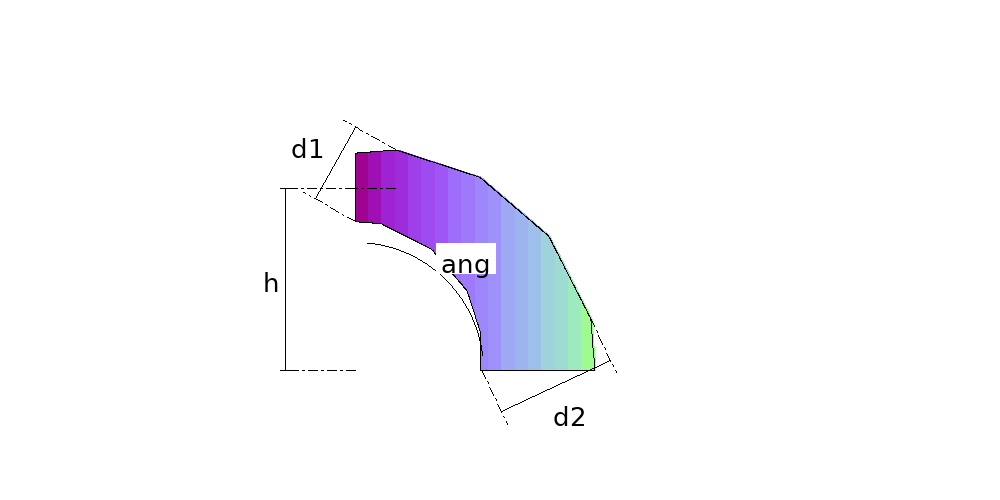
Tapered Segmented Bend
The mitred bend that also reduces, along the same arc. The gores are all different — s + 1 patterns instead of the two a constant bend takes.
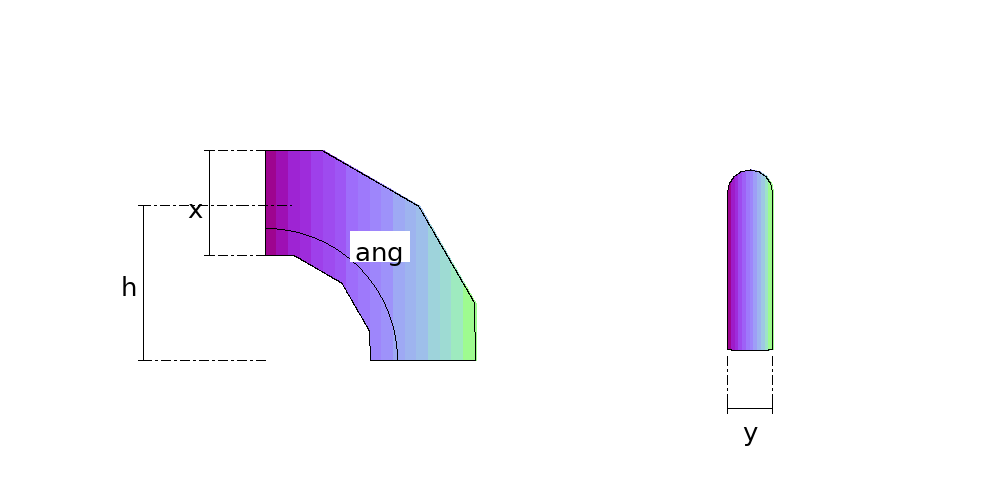
Oval Segmented Bend
The segmented bend for flat-oval duct — the section used where the headroom will not take the equivalent round. Two patterns, not one.